
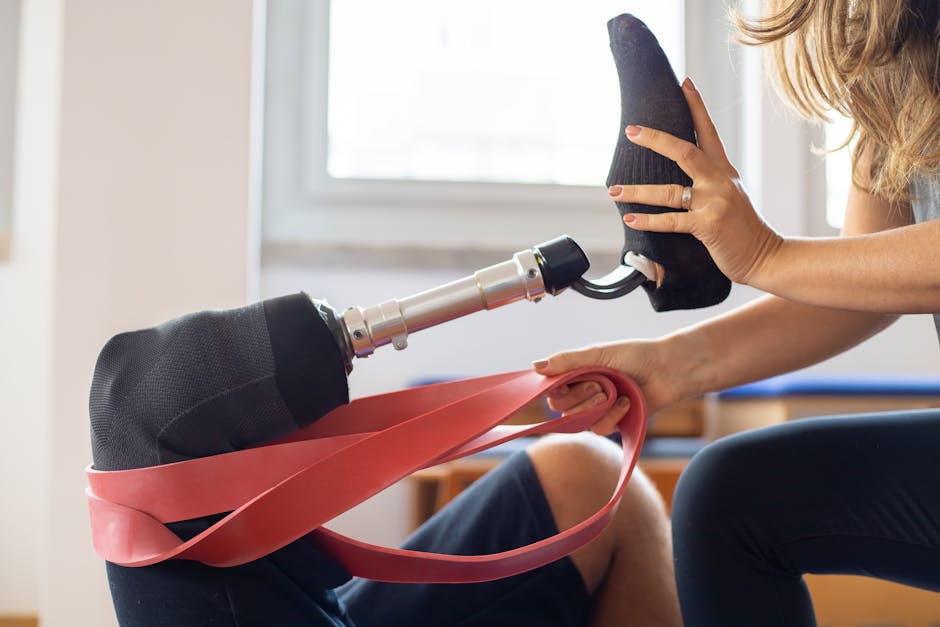
Breaking a bone can be a profoundly disruptive experience. It stops daily life, limits independence, and often brings pain and uncertainty. Whether it’s a sudden trauma or a stress fracture that develops over time, the journey to recovery requires careful attention and specialized care. Many people wonder not just how to fix the break, but how to truly heal, regaining strength and mobility while also caring for their spiritual and emotional well-being.
At Loma Linda University Medical Center – Murrieta, we understand these concerns. Our faith-driven approach means we care for the whole person – body, mind, and spirit – throughout your healing process. We are dedicated to guiding you through every step, from initial diagnosis to full rehabilitation. We focus on getting you back to living your life with confidence, and we’re here to support you whether you need complex orthopedic surgery or comprehensive physical therapy, like the individualized programs we offer for Total Knee Replacement: Surgery, Recovery, and Physical Therapy Timeline.
What is a Bone Fracture, and What Causes Them?
A bone fracture is simply a break in the continuity of a bone. It can range from a tiny crack, like a stress fracture often seen in athletes, to a complete break where the bone is shattered into multiple pieces. Fractures occur when a force applied to the bone is greater than the bone’s ability to withstand it.
What causes a bone fracture? Most fractures result from direct trauma, such as falls, sports injuries, or car accidents. For example, an awkward landing during a game might lead to an avulsion fracture, where a small piece of bone attached to a tendon or ligament is pulled away from the main bone. Other causes include:
- Osteoporosis: This condition weakens bones, making them more susceptible to breaks from minor impacts or even everyday activities.
- Repetitive stress: Activities like long-distance running can cause tiny cracks called stress fractures, particularly in weight-bearing bones like those in the ankle or hip bones.
- Underlying medical conditions: Certain diseases, including some forms of cancer or genetic disorders, can weaken bones and increase fracture risk.
- Abuse: In some tragic instances, fractures can be a sign of physical abuse.
Understanding the cause helps us tailor the most effective treatment plan, ensuring your care is patient-focused and precise.
What are the Stages of Fracture Healing?
Bone healing is a remarkable biological process that generally unfolds in distinct, overlapping stages. While the exact number of “stages” can vary slightly in different descriptions (sometimes 4, 5, or 6 are cited), the fundamental sequence remains consistent. Our multidisciplinary clinical teams, often holding advanced degrees, are adept at monitoring this complex process.
Typically, we observe these key phases:
- Inflammation: Immediately after a fracture, your body initiates an inflammatory response. Blood vessels rupture, forming a hematoma (blood clot) at the fracture site. This also brings in cells that clean up debris and signal the next healing steps.
- Soft Callus Formation: Within days, the hematoma is replaced by a soft callus made of fibrous tissue and cartilage. This early bridge provides some stability but isn’t strong enough to bear weight.
- Hard Callus Formation: Over weeks, the soft callus is gradually replaced by a hard callus composed of woven bone. This bony bridge is stronger and can be seen on X-rays.
- Bone Remodeling: This is a long-term process, sometimes lasting months to years. The woven bone of the hard callus is slowly replaced by stronger, more organized lamellar bone. The bone also reshapes itself, gradually returning to its original strength and structure, especially in response to normal stresses and activity.
“Bone healing is not just about ‘fixing’ a break; it’s a dynamic, regenerative process where the body meticulously rebuilds and restores integrity. Proper immobilization and nutrition are crucial early on, followed by controlled loading to guide the remodeling phase back to optimal strength.”
How Long Does Bone Healing Take?
The time it takes for a bone to heal can vary significantly, impacted by several factors, including your age, the type and severity of the fracture, and your overall health. Younger individuals generally heal faster than older adults because their bones have a more robust blood supply and faster cellular turnover.
For example, a simple, non-displaced fracture in a child might heal in just 4-6 weeks, while a complex fracture in an older adult could take 3-6 months or even longer. Fractures of larger bones, like the hip or femur, typically take more time to heal than smaller bones like those in the fingers or toes. Factors like poor nutrition, smoking, certain medications, and chronic diseases can also impede healing. Our board-certified specialists always create individualized treatment plans, accounting for these unique circumstances to optimize your recovery.
Recovery isn’t just about the bone fusing; it’s about regaining full function. That’s why rehabilitation is so vital. As we discuss in our guides to Hip Replacement Surgery: Before, During, and After Care and ACL Injury and Reconstruction: Return to Sports Timeline, active participation in therapy is key to a successful outcome.
Do Broken Bones Heal Back to Normal?
For most people, a broken bone heals strong enough to return to normal activities, often becoming as strong as, or even stronger than, it was before the injury. However, “normal” can mean different things depending on the fracture’s severity and location. The bone remodeling phase aims to restore the bone’s original shape and strength. While a visible bump or slight deformity might remain, especially in severe cases, it usually doesn’t impair function.
Our goal is always to restore maximum function and minimize long-term impact. This often involves more than just casting. For instance, in our practice, we’ve seen thousands of orthopedic patients benefit from advanced care, including minimally invasive joint surgery techniques, which can lead to faster recovery times and better long-term outcomes, as explored in Minimally Invasive Joint Surgery: Benefits and Faster Recovery Times.
“While a healed fracture is typically strong, full recovery involves restoring not just bone integrity but also muscle strength, joint mobility, and coordination. Rehabilitation is critical to address these broader aspects and prevent residual weakness or stiffness.”
What Are Signs a Broken Bone is Not Healing?
While most fractures heal predictably, sometimes complications arise, leading to delayed union (healing slower than expected) or non-union (failure to heal at all). Recognizing these signs early is crucial for effective intervention. We monitor our patients closely, but it’s important for you to be aware of what to look for.
Signs that a broken bone might not be healing properly include:
- Persistent or increasing pain at the fracture site, even weeks or months after the initial injury.
- Swelling, tenderness, or warmth around the area that doesn’t subside.
- Inability to bear weight or put stress on the limb, even when expected by your doctor.
- Noticeable deformity or instability at the fracture site.
- A sensation of movement or clicking in the bone fragments.
- Lack of progress in pain reduction or improved function over time.
If you experience any of these symptoms, it’s vital to contact your care team promptly. Early detection allows us to explore additional treatments, from revised immobilization to specialized surgical procedures, ensuring the best possible outcome.
Comprehensive Fracture Care and Rehabilitation
Our approach to fracture care at Loma Linda University Medical Center – Murrieta is truly patient-centered, focusing on your specific needs from injury to full recovery. This often involves a blend of traditional medicine, advanced technology, and holistic support.
Initial Treatment and Stabilization
Upon arrival, our emergency and critical care teams are ready to assess and stabilize your injury. We use advanced diagnostic imaging to accurately identify the type and severity of your fracture. Treatment might include casting, splinting, or bracing to immobilize the bone and allow it to heal. For more complex fractures, our board-certified orthopedic surgeons perform procedures ranging from setting the bone manually to advanced internal fixation using plates, screws, or rods. Our specialists are experts in addressing various issues, including complex rotator cuff repairs, as detailed in our information on Shoulder Surgery: Rotator Cuff Repair and Recovery Protocol.
Rehabilitation for Recovery
Physical and occupational therapy are cornerstones of fracture recovery. Our 3,600 sq ft rehabilitation therapy suite, complete with private treatment rooms and a therapeutic pool, is designed to support your journey. Our therapists work to:
- Restore range of motion and flexibility in affected joints.
- Rebuild muscle strength that may have been lost due to immobilization.
- Improve balance and coordination, especially after lower limb fractures.
- Teach proper body mechanics to prevent re-injury.
- Assist with vocational rehabilitation, helping you safely return to work and daily activities.
We believe in strengthening not just the body, but also the mind and spirit. Engaging in activities like prayer for healing or drawing strength from healing scriptures can be powerful complements to physical therapy, fostering resilience and positive outlook.
Considering Alternatives and Holistic Support
While our focus is on evidence-based medical care, we also recognize the value of holistic well-being. Some patients explore complementary therapies like Reiki healing to manage pain or promote relaxation during recovery. While these should always be discussed with your physician and never replace prescribed medical treatments, we support patients in finding avenues that contribute to their overall comfort and spiritual peace, aligning with our faith-based mission.
Practical Tips for a Smooth Fracture Recovery
Your active participation plays a significant role in how well and how quickly you recover. Here are some practical tips to support your healing journey:
- Follow Medical Instructions Diligently: Adhere to all casting, bracing, and weight-bearing instructions from your doctor. Removing a cast too early or putting weight on a non-union can set back healing significantly.
- Prioritize Nutrition: Your body needs proper nutrients to rebuild bone. Ensure you’re getting enough calcium, Vitamin D, protein, and other essential minerals. Discuss any dietary supplements with your physician.
- Manage Pain Effectively: Don’t let pain deter you from necessary movements or sleep. Work with your care team to manage pain, but be mindful of medication use and potential side effects.
- Engage in Rehabilitation: Attend all your physical and occupational therapy sessions. The exercises might seem small, but they are crucial for restoring strength, flexibility, and function. Our experts will guide you.
- Stay Patient and Positive: Healing takes time. There will be good days and challenging days. Maintaining a positive outlook, perhaps through practices like prayer or meditation, can make a difference. Trust the process and your care team.
- Avoid Smoking and Excessive Alcohol: Both smoking and excessive alcohol consumption are known to significantly impair bone healing and increase the risk of complications.
At Loma Linda University Medical Center – Murrieta, we are here to support you in all aspects of your recovery. Our faith-driven care ensures that your journey to healing extends beyond just mending bones to truly restoring your body, mind, and spirit. We are dedicated to partnering with you, offering advanced care and compassionate guidance every step of the way, helping you return to the activities and life you cherish in the Murrieta-Temecula region and beyond. Your needs truly are our goals.