
Hospitals are much more than bed and bandages, as they serve as health pillars of the community which prevents disease and promotes health. They reduced readmissions by 20% by treating social determinants such as nutrition and housing to improve population health. This population-based health management strategy is based on holistic and saves money and resilience. This is the way major hospitals can provide impact beyond acute care.
Community Health Needs Assessments
To identify local gaps, hospitals have triannual CHNA surveys, which include food insecurity and mental health deserts. Results lead to specific initiatives: Free clinics in low-income areas or mobile services to the rural population. Collaborations with food banks provide 10,000 meals a month, referring patients to SNAP benefits. Actionable: Post reports on the internet and seek the feedback of residents to come up with specific solutions.
Preventive Screening and Education Programs
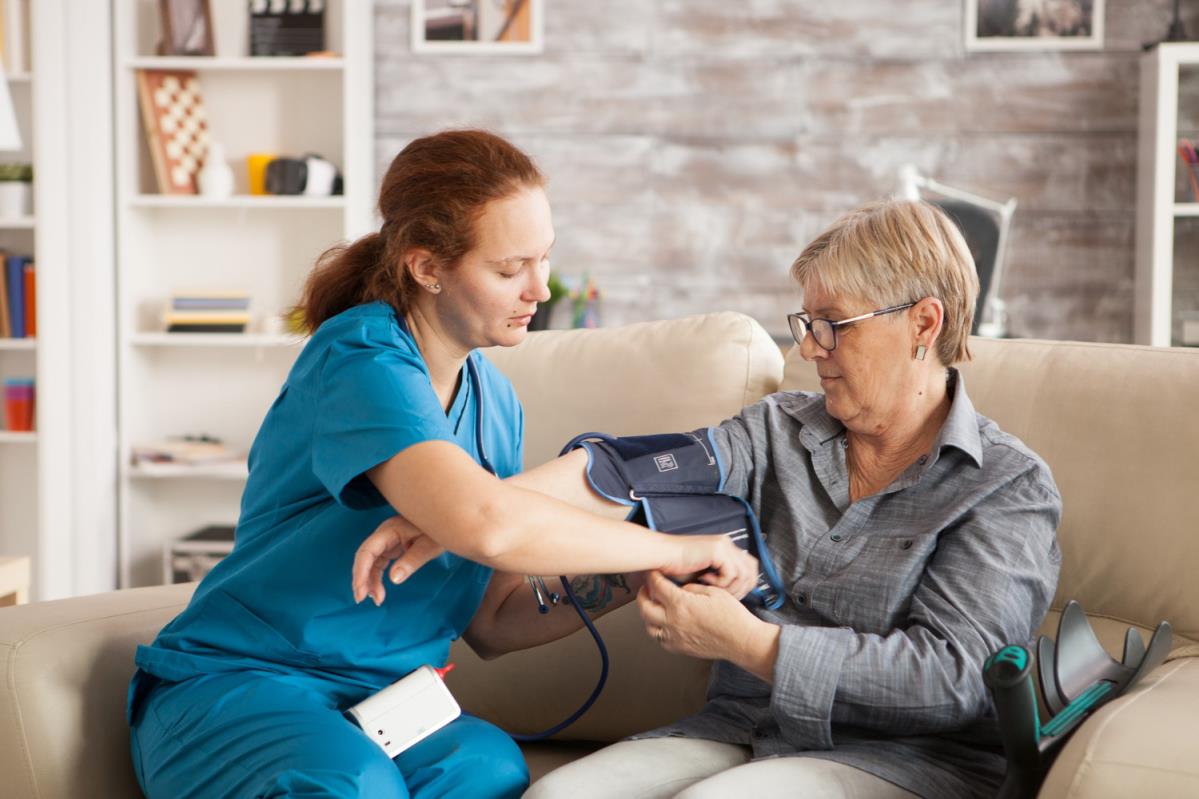
Active prevention identifies problems at an early stage. Pop-up health fairs provide blood pressure checks, diabetes screenings, and vaccine drives, having reached 5,000 a year. Cessation classes with smoking also have 40 percent success rates of quitting through nicotine replacement and counseling. The digital campaigns through the apps inform about hygiene and reduce ER visits caused by avoidable cases. Schools incorporate hospital-based nutrition education, which prevents obesity in children.
Nutrition and Food Security Initiatives

Groceries are prescribed through food as medicine programs, in which diabetes patients are given weekly produce boxes, which has enhanced A1C by 1.5 points. Cafeterias are supplied with rooftop farms and surplus is donated, which is a model of sustainability. Collaboration with urban farms establishes community kitchens where they learn healthy cooking. Hospitals follow up with results: The participants demonstrate 25 percent of decreased diet-related hospitalizations.
Social Support and Transportation Aid
Care is blocked by non-medical barriers -hospitals respond with ride services to appointments, increasing attendance 30%. Patients are linked to housing vouchers or job training by social workers, which is a root cause of chronic disease. The elderly programs provide meal-on-wheels and wellness checks, which minimize loneliness. Global neutral virtual support groups through Zoom.
Mental Health and Wellness Hubs

In addition to crisis, there are yoga studios, meditation pods, and art therapy in hospitals, where staff members and outpatients can be found. Burnout is reduced by 15 percent with resilience training; free therapy dog trips are provided by communities. Telehealth is a gap bridging service, offering counseling services in different languages. Corporate wellness tie-ins screen their employees at an early age and thus they avoid epidemics in the workplace.
Environmental and Public Health Collaborations
Green programs such as solar campuses reduce emissions and offer education on climate health associations. With the local agencies, water quality testing averts outbreaks. By being prepared, disaster response teams preposition supplies and gain trust.
Workforce Community Engagement
Staff devote 1000 hours every year in health fairs or coaching youth sports, which is care. The involvement is rewarded through incentive programs which increase reach.
Measuring and Scaling Impact
Measures are monitored with dashboards: Lives touched, cost savings ($3 per $1 invested). Grant stimulates growth; achievements distributed through conferences motivate colleagues.
Action Plan for Hospitals
Evaluate needs after every three months; trial one program once in a year. Outreach 5% revenue budget. Educate every employee on social prescribing.
Hospitals are not silos, they are engines of wellness. They build flourishing communities by promoting health in a nontreatment way, and it pays off.