
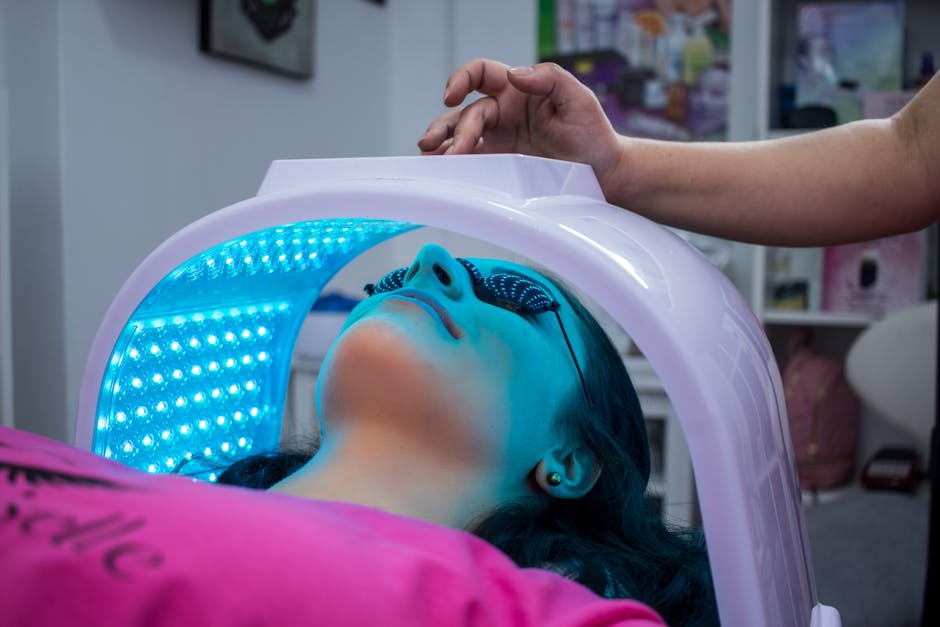
Living with persistent discomfort, whether from an old injury, a chronic condition, or simply the daily wear and tear on our bodies, can significantly impact quality of life. The search for effective, non-invasive therapies that support our body’s natural healing processes is a common journey for many. While advancements in surgical techniques, like orthopedic care and minimally invasive joint procedures, offer profound solutions for structural issues, there’s also a growing interest in complementary therapies that enhance recovery and alleviate pain without direct intervention.
One such approach gaining recognition for its therapeutic potential is red light therapy. This gentle yet powerful treatment harnesses specific wavelengths of light to stimulate cellular function, promoting healing and reducing inflammation throughout the body. At Loma Linda University Medical Center – Murrieta, we are dedicated to exploring and offering treatments that align with our mission to care for the entire person: the body, mind, and spirit, including modalities that can accelerate recovery and improve overall well-being.
We understand that navigating treatment options can be complex. Our goal is to empower you with knowledge about therapies like red light therapy, helping you understand its benefits and how it might fit into your personalized care plan, supporting your journey toward faster recovery and improved comfort.
What is Red Light Therapy, and How Does It Work?
Red light therapy, also known as low-level laser therapy (LLLT) or photobiomodulation (PBM), uses red and near-infrared (NIR) light wavelengths to penetrate the skin and stimulate cellular activity, promoting healing and reducing inflammation.
At its core, red light therapy functions by delivering specific wavelengths of light, typically between 630-850 nanometers, to the body’s cells. These wavelengths are absorbed by the mitochondria, often called the “powerhouses” of the cells. When light energy is absorbed, it triggers a series of metabolic events. One key mechanism involves the release of nitric oxide from cytochrome c oxidase, enhancing cellular respiration and ATP (adenosine triphosphate) production. ATP is the energy currency of the cell, essential for repair and regeneration.
“Red light therapy utilizes specific wavelengths of light that stimulate mitochondrial function, leading to increased cellular energy production and anti-inflammatory effects. This non-invasive approach has shown promise in supporting tissue repair and pain reduction across various conditions.”
This process improves blood circulation, reduces oxidative stress, and modulates inflammatory pathways. The result is a cascade of beneficial effects at the cellular level, influencing everything from skin health to muscle recovery. We believe in harnessing advanced care methods that support the body’s innate ability to heal, and the science behind photobiomodulation offers a compelling pathway for this.
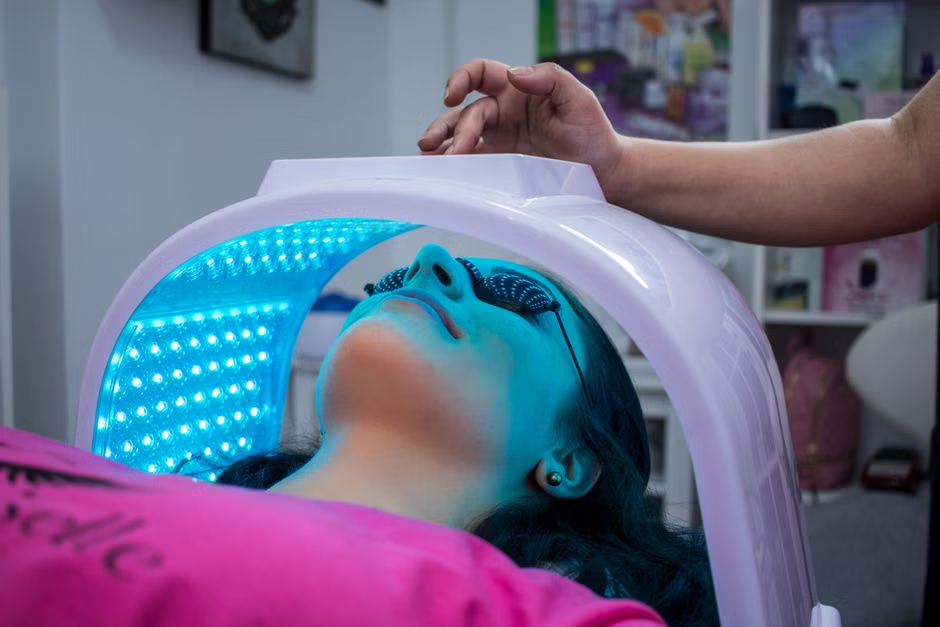
What Are the Key Red Light Therapy Benefits?
The benefits of red light therapy stem from its ability to enhance cellular function and reduce inflammation. Patients often report improvements in pain, faster wound healing, reduced muscle soreness, and enhanced skin health.
Across a range of applications, red light therapy has demonstrated several notable advantages. In our practice, we’ve observed how patients appreciate non-pharmacological options for managing their well-being. Board-certified specialists often explore such adjunct therapies as part of a holistic treatment plan.
The primary red light therapy benefits include:
- **Pain Reduction:** It can help alleviate various types of pain, including chronic joint pain, back pain, and neuropathic pain, by reducing inflammation and promoting nerve regeneration. This can offer relief for knee joint pain or discomfort in the si joint, for instance.
- **Improved Wound Healing:** The therapy accelerates the healing of cuts, burns, and surgical incisions by stimulating collagen production and cell regeneration.
- **Reduced Muscle Soreness and Faster Recovery:** Athletes and active individuals often use red light therapy to decrease post-exercise muscle soreness and improve recovery times after strenuous activity.
- **Enhanced Skin Health:** It can improve skin tone, texture, and elasticity, reduce wrinkles, and help manage conditions like acne and rosacea through increased collagen and elastin production.
- **Reduced Inflammation:** By modulating inflammatory pathways at the cellular level, red light therapy can help decrease systemic and localized inflammation.
- **Hair Growth Stimulation:** For individuals experiencing hair loss, red light therapy may stimulate hair follicles and promote regrowth.
Who Can Benefit from Red Light Therapy?
Red light therapy is generally safe and well-tolerated, benefiting a wide range of individuals seeking non-invasive support for pain management, healing, and skin rejuvenation. However, it’s always best to consult a healthcare provider.
While red light therapy offers broad applications, it’s not a one-size-fits-all solution, nor is it intended to replace primary medical treatments, especially for complex conditions. For instance, while it can support pain management for conditions like temporomandibular joint disease (TMJ) or bunions, it won’t correct the underlying structural issues that might require interventions like surgery.
We work with our patients to understand their complete health picture. Individuals with certain medical conditions, such as those taking photosensitizing medications or with active skin cancers, should consult their physician before undergoing red light therapy. Pregnant women are also generally advised to avoid this therapy due to limited research on its effects during pregnancy.
Alternatives or complementary therapies might include physical therapy, acupuncture, massage therapy, or even other light-based treatments. For severe joint issues, like those that might require knee replacement surgery, red light therapy could be a supportive measure during recovery but not a standalone solution for the initial problem. Our multidisciplinary clinical teams customize approaches to patient needs, ensuring the right combination of treatments.
What to Expect from Red Light Therapy and Its Results
Patients typically experience a gentle warmth during red light therapy sessions, which are generally comfortable and painless. Results vary based on the condition treated, but improvements in pain and healing can often be noticed within weeks of consistent use.
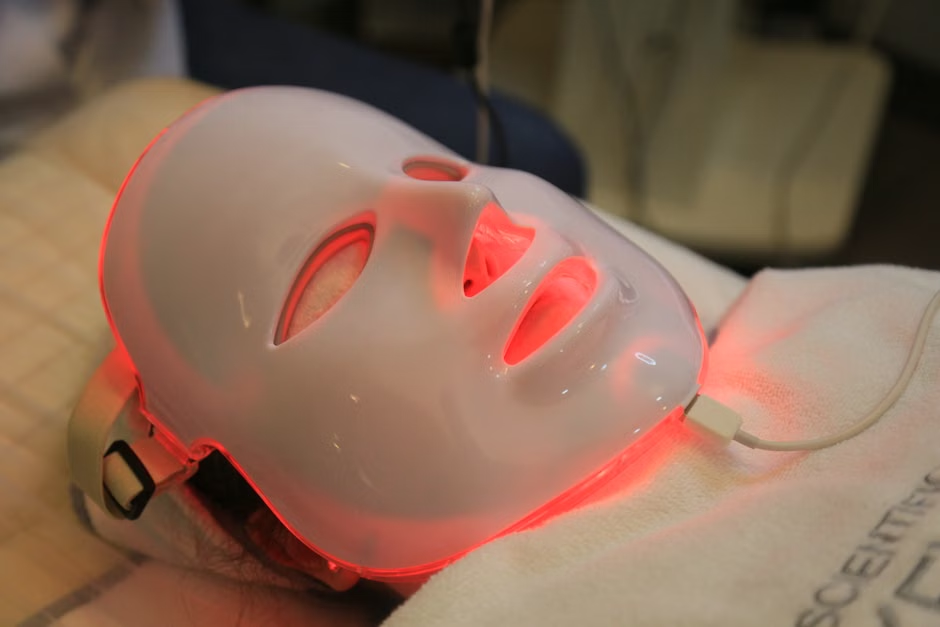
A typical red light therapy session is relatively brief, usually lasting between 10 to 20 minutes, depending on the device and the area being treated. You’ll sit or lie comfortably, and the light device will be positioned near the skin. There’s no downtime required, meaning you can resume your normal activities immediately afterward. The experience is relaxing for most, sometimes even described as soothing.
“While individual results can vary, many patients undergoing red light therapy report noticeable improvements in pain, inflammation, and skin conditions within a few weeks of consistent sessions. Optimal outcomes often require a commitment to regular treatments over an extended period.”
Results aren’t usually instantaneous. While some individuals may feel immediate relief from pain or soreness, significant and lasting changes often require a series of sessions. For chronic pain or wound healing, we might recommend several sessions per week for several weeks to months. Skin improvements, such as reduced wrinkles or improved elasticity, typically become visible after consistent use over a longer period, perhaps 8-12 weeks. Our commitment to patient-centered, holistic care means we’ll work with you to set realistic expectations and monitor your progress throughout your treatment journey.
Practical Tips for Incorporating Red Light Therapy
If you’re considering red light therapy, whether at home or in a clinical setting, a thoughtful approach can maximize its benefits. We emphasize individualized treatment and encourage informed decision-making.
Here are some practical tips to help you get the most out of red light therapy:
- **Consult Your Physician:** Before starting any new therapy, especially if you have underlying health conditions or are taking medications, discuss it with your healthcare provider. This ensures it’s appropriate for your specific needs.
- **Choose the Right Device:** If using a home device, research reputable brands that offer devices with clinically effective wavelengths (630-850nm) and appropriate power output. Not all devices are created equal.
- **Consistency is Key:** Red light therapy works best with regular, consistent sessions. Follow the recommended treatment protocols for the best results, rather than sporadic use.
- **Clean Skin:** Ensure the area being treated is clean and free of lotions or makeup, which can block light penetration.
- **Eye Protection:** Always protect your eyes, especially when using high-powered devices. Many devices come with protective eyewear.
- **Combine with Other Healthy Habits:** Red light therapy is a supportive tool. For optimal health and recovery, combine it with a balanced diet, regular exercise, and adequate sleep.
At Loma Linda University Medical Center – Murrieta, we are dedicated to helping you achieve your health goals, offering advanced care and a faith-based approach that addresses your body, mind, and spirit. Whether you’re recovering from surgery, managing chronic pain, or simply seeking to enhance your well-being, understanding and utilizing therapies like red light therapy can be a valuable part of your health strategy. We invite you to learn more about our comprehensive services and how we can support your journey towards optimal health.