

Heart disease remains the leading cause of death in the United States. For millions of people, that statistic becomes deeply personal the moment a doctor mentions blocked arteries, abnormal heart rhythms, or the words “you need a procedure.” Knowing what comes next, and who will be guiding your care, can make an enormous difference in how you approach treatment and recovery.
Interventional cardiology sits at the center of that conversation. It’s the specialty that steps in when a heart condition has moved past lifestyle changes and medication, when a catheter, a stent, or a carefully guided balloon can do what pills alone cannot. Understanding this field, its tools, its limits, and its possibilities, helps you ask better questions and make more informed decisions alongside your care team.
At Loma Linda University Medical Center – Murrieta, caring for hearts has been central to our mission since we opened our doors to the Murrieta-Temecula community in 2011. We were the first hospital in this region to offer interventional cardiology services and the first to achieve STEMI-receiving center designation. Our heart care program has performed over 500 open-heart surgeries and treated thousands of cardiology patients from Murrieta, Temecula, Menifee, and the surrounding Inland Empire. This guide is our attempt to explain what interventional cardiology actually is, and why it matters for your heart health.

What Is Interventional Cardiology?
Interventional cardiology is a subspecialty of cardiology focused on catheter-based procedures to diagnose and treat structural heart disease and coronary artery conditions. Rather than opening the chest surgically, interventional cardiologists thread thin, flexible tubes called catheters through blood vessels to reach the heart directly, often through the wrist or groin.
The field emerged in the late 1970s, when Andreas Grüntzig performed the first balloon angioplasty in 1977, demonstrating that a blocked artery could be opened without open-chest surgery. Since then, the specialty has grown to include stent placement, valve repair, and treatment of structural defects, all through minimally invasive approaches. According to Mayo Clinic, cardiac catheterization allows physicians to evaluate how well the heart is pumping, measure pressure inside heart chambers, and identify blockages in coronary arteries, all essential steps before any interventional procedure begins.
“Coronary artery disease is the most common type of heart disease in the United States, killing more than 370,000 people a year.”
That number underscores why interventional cardiology exists. Blocked coronary arteries don’t always produce dramatic symptoms early on. By the time a patient experiences a heart attack, the window for saving heart muscle is measured in minutes. Interventional procedures, performed in a cardiac catheterization laboratory, are designed to restore blood flow as fast as possible.
Interventional Cardiologist vs. Cardiologist: What’s the Difference?
A general cardiologist diagnoses heart conditions, manages medication, and interprets imaging studies like echocardiograms and stress tests. An interventional cardiologist does all of that, plus performs catheter-based procedures to physically correct the problem. The key distinction is hands-on procedural treatment versus medical management.
After medical school and a general cardiology fellowship, interventional cardiologists complete an additional one-to-two years of specialized training focused entirely on catheter-based procedures. Many also pursue advanced certification through the American Board of Internal Medicine or the Society for Cardiovascular Angiography and Interventions. Our board-certified interventional cardiologists at LLUMC-Murrieta hold these credentials and work within a multidisciplinary team that includes cardiac surgeons, nurses, and imaging specialists. That collaborative structure is not incidental to how we work. It’s deliberate, because the most complex cases benefit from multiple expert perspectives at the table.
What Procedures Does an Interventional Cardiologist Perform?
The range of catheter-based procedures has expanded considerably over the past two decades. Some are diagnostic; many are therapeutic. Here is a representative list of what falls within the specialty:
- Coronary angiography (imaging arteries to locate blockages)
- Percutaneous coronary intervention (PCI), including balloon angioplasty and stent placement
- Fractional flow reserve (FFR) testing to assess severity of blockages
- Transcatheter aortic valve replacement (TAVR) for patients with severe aortic stenosis
- Mitral valve repair via MitraClip or similar catheter-based systems
- Patent foramen ovale (PFO) and atrial septal defect (ASD) closure
- Peripheral artery interventions for blocked vessels outside the heart
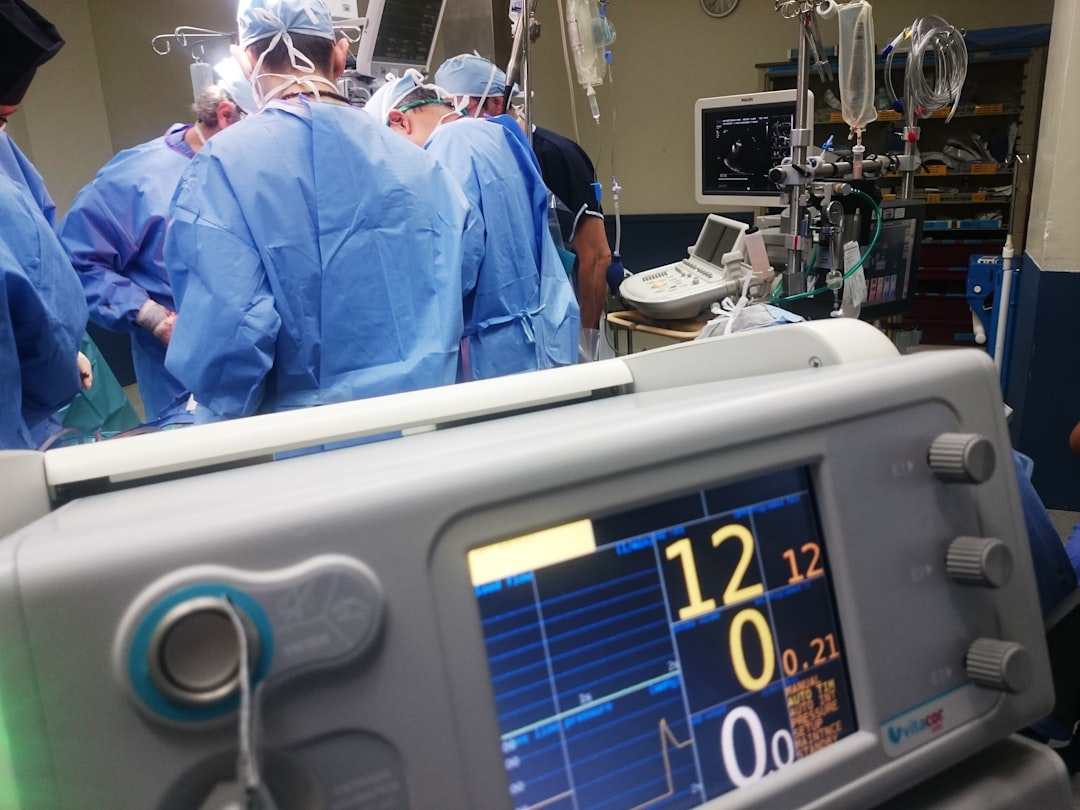
Each procedure is guided by real-time imaging, typically fluoroscopy combined with intravascular ultrasound. At LLUMC-Murrieta, we operate three digital catheterization laboratories equipped for both diagnostic and interventional work. That level of on-site capability is what allows us to treat a heart attack and complete a stent procedure in a single, continuous intervention rather than transferring patients elsewhere.
When Should You See an Interventional Cardiologist?
You should see an interventional cardiologist when your general cardiologist identifies a structural heart problem, significant coronary artery blockage, or valve disease that may require a catheter-based procedure. A referral typically follows abnormal stress test results, imaging that shows narrowed arteries, worsening symptoms like chest pain or shortness of breath, or an acute event like a heart attack.
Symptoms that may indicate you need urgent evaluation include chest pressure or tightness, pain radiating to the left arm or jaw, sudden shortness of breath, and unexplained heart palpitations. If you’re experiencing these signs, our emergency services team is available around the clock to evaluate and stabilize cardiac events. Do not wait to see if symptoms resolve on their own. In the case of a STEMI, a specific type of heart attack caused by total artery occlusion, every minute of delay increases the risk of permanent heart muscle damage.
Not every referral is an emergency, though. Patients managing congestive heart failure, aortic stenosis, or recurrent angina may be referred for elective interventional evaluation to determine whether a procedure could reduce symptoms and improve quality of life.
Is Interventional Cardiology Considered Surgery?
Technically, no, though the line can feel blurry. Traditional cardiac surgery involves opening the chest and often stopping the heart temporarily. Interventional cardiology uses catheters inserted through small punctures in the skin, so there’s no large incision and no general anesthesia in most cases. Patients are typically awake but sedated, and many go home the same day or within 24 hours.
That said, interventional procedures are still serious medical events. They require sterile technique, real-time imaging, a skilled team, and a contingency plan if complications arise. Some procedures, like TAVR for high-risk surgical patients, were specifically developed as alternatives to open-heart surgery for people who couldn’t safely undergo the traditional approach. As Johns Hopkins Medicine notes, cardiac catheterization carries a small risk of complications including bleeding, blood vessel injury, and arrhythmia, risks that are managed through careful patient selection and experienced procedural teams.
“TAVR has become the most common cardiac surgical procedure in the United States, reflecting both the aging population and the expanded indication to lower-risk patients.”
Who Is and Isn’t a Good Candidate?
Interventional cardiology isn’t the right answer for every heart condition. Coronary artery bypass surgery (CABG) remains preferable for patients with multi-vessel disease, especially those with diabetes, where data consistently show better long-term outcomes with surgery than with stenting. Patients with certain valve conditions may still require traditional open repair. And medication management alone is often the right starting point for mild to moderate disease.
Good candidates for interventional procedures typically include:
- Patients with a single or two-vessel coronary blockage causing symptoms
- Heart attack patients needing emergency artery restoration (primary PCI)
- Patients with severe aortic stenosis who are not candidates for open surgery
- Patients with structural defects like PFO that can be closed percutaneously
- Those whose symptoms have not responded adequately to medication alone
We are dedicated to making these decisions collaboratively, with input from our cardiac surgery and imaging colleagues. Sometimes the most important thing an interventional cardiologist does is tell a patient they don’t need a procedure yet. That honesty is part of how we care for the whole person, body, mind, and spirit.
What to Expect: Recovery and Results
Recovery from catheter-based procedures is generally shorter than from open surgery. After a diagnostic coronary angiogram, most patients return home the same day. After a stent placement, the typical hospital stay is 24 to 48 hours, followed by a recovery period of one to two weeks before resuming normal activity. After TAVR, hospital stays range from two to five days with a longer recovery window depending on overall health.
Realistic expectations matter. A stent opens a blocked artery, but it doesn’t cure coronary artery disease. Ongoing management, including medication, cardiac rehabilitation, dietary changes, and regular monitoring, is essential to long-term outcomes. Our health and wellness programs are designed to support patients through that ongoing journey, not just the acute procedure.
Practical Tips Before and After an Interventional Cardiology Appointment
Preparing well makes a meaningful difference in both the procedure experience and recovery. Here are six steps we consistently share with patients:
- Bring a complete medication list, including over-the-counter supplements. Some supplements, like fish oil and vitamin E, affect bleeding and may need to be paused before a procedure.
- Ask your cardiologist specifically whether your procedure is diagnostic, therapeutic, or potentially both. Understanding what might happen in the cath lab reduces anxiety on the day.
- Arrange for a driver. Even when sedation is light, driving yourself home after a catheter procedure isn’t safe.
- Follow post-procedure activity restrictions carefully. Lifting restrictions after a femoral approach (groin access) are different from those after a radial approach (wrist access).
- If prescribed dual antiplatelet therapy after stent placement, take it exactly as directed. Stopping early is one of the leading causes of stent thrombosis.
- Schedule cardiac rehabilitation. It’s not optional for most post-procedure patients, and the evidence for its benefit in reducing re-hospitalization and improving function is strong.
If you’re navigating heart disease alongside anxiety or depression, that matters too. Cardiac events and the stress surrounding them carry significant psychological weight. Our behavioral and mental health services are integrated into our patient care approach because we know that healing the body works best when the mind is supported as well.
Helping you and your loved ones protect, save, and repair your hearts is one of our highest priorities at Loma Linda University Medical Center – Murrieta. If you’re concerned about your heart health, have been referred for an interventional evaluation, or simply want to understand your options before any decision is made, we’re here to guide you through it. Reach us at 800-867-7011, and let’s talk about your heart.