
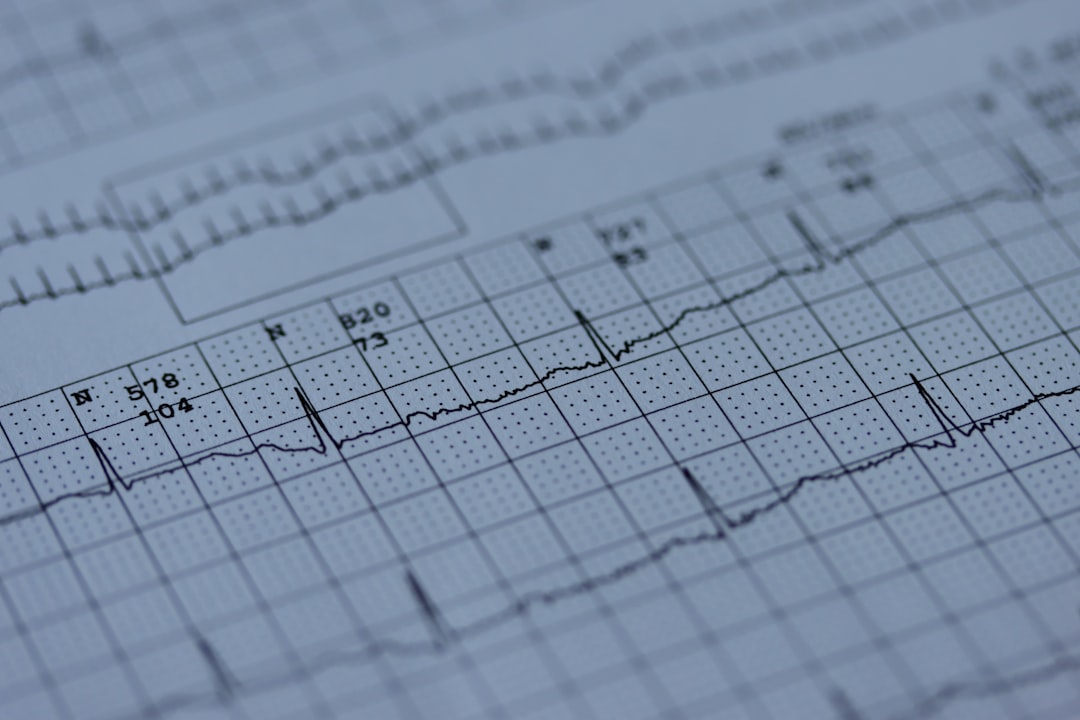
An irregular heartbeat can be startling. Maybe you’ve felt a sudden flutter, a skipped beat, or a racing pulse that left you feeling uneasy. These sensations often lead to questions about your heart’s health and whether something serious is happening. Understanding the nuances of heart rhythm disorders is crucial for managing your well-being and seeking appropriate care.
When your heart’s electrical system goes awry, it can manifest in various ways, from benign extra beats to more dangerous conditions. It’s natural to wonder if these irregular rhythms are simply “an arrhythmia” or something more specific, like atrial fibrillation. Knowing the distinction helps you and your care team navigate the path to diagnosis and treatment.
At Loma Linda University Medical Center – Murrieta, we are dedicated to providing patient-focused care that addresses not just the physical symptoms but also the peace of mind that comes from understanding your condition. Our board-certified specialists utilize state-of-the-art technology to diagnose and treat a full spectrum of heart conditions, from common irregularities to complex cardiac issues. We’re here to guide you through the complexities of heart rhythm disorders, ensuring you receive advanced care for your body, mind, and spirit. As we explain in our guide to signs you should see a cardiologist in Murrieta, recognizing symptoms early is key.
What is the Difference Between AFib and Arrhythmia?
An arrhythmia is a broad term for any irregular heartbeat, encompassing a wide range of conditions where the heart beats too fast, too slow, or with an irregular rhythm. Atrial fibrillation (AFib), on the other hand, is a specific type of arrhythmia characterized by rapid, disorganized electrical signals in the heart’s upper chambers (atria), leading to an irregular and often fast heartbeat.
Think of arrhythmia as the umbrella term and atrial fibrillation as a specific diagnosis under that umbrella. Your heart’s rhythm is controlled by electrical impulses. When these impulses don’t fire correctly, or when their pathways are disrupted, an arrhythmia occurs. This can be due to various factors, from stress and caffeine to underlying heart disease. Atrial fibrillation is particularly noteworthy because it’s the most common type of serious heart rhythm disorder, affecting millions of people worldwide. It significantly increases the risk of stroke, heart failure, and other heart-related complications.
“Atrial fibrillation is a serious condition that can lead to significant health problems if not properly managed, including a five-fold increased risk of stroke compared to people with normal heart rhythms.”
Here at LLUMC-Murrieta, our multidisciplinary clinical teams are experienced in differentiating these conditions, using advanced diagnostic tools in our three state-of-the-art digital cath labs to pinpoint the exact nature of your heart rhythm.
What are the 4 Types of Arrhythmias?
While arrhythmias encompass many variations, they can broadly be categorized into four main types based on their underlying mechanism and where they originate in the heart. These categories help specialists understand the nature of the irregularity.
- Bradycardia: This describes a heart rate that is too slow, typically fewer than 60 beats per minute. While a slow heart rate can be normal for athletes, for others it might indicate an issue with the heart’s natural pacemaker or electrical pathways, leading to symptoms like fatigue or dizziness.
- Tachycardia: This is a heart rate that is too fast, usually over 100 beats per minute. Tachycardias can originate in the atria (supraventricular tachycardia, which includes AFib and atrial flutter) or in the ventricles (ventricular tachycardia), the latter often being more dangerous.
- Supraventricular Arrhythmias: These originate in the atria, the heart’s upper chambers, or in the AV node (the electrical relay station between atria and ventricles). Atrial fibrillation and atrial flutter are common examples, characterized by rapid or chaotic electrical activity in the atria.
- Ventricular Arrhythmias: These originate in the ventricles, the heart’s lower chambers. Ventricular tachycardia and ventricular fibrillation are severe forms that can be life-threatening, as they can prevent the heart from pumping blood effectively.
Understanding these classifications is the first step in creating an individualized treatment plan. Our board-certified electrophysiologists are experts in diagnosing and managing these complex rhythm disorders.
What is the Difference Between Atrial Fibrillation and Atrial Flutter?
Both atrial fibrillation (AFib) and atrial flutter are types of supraventricular tachycardia, meaning they originate in the atria. However, they differ in how the electrical signals misfire and the resulting regularity of the atrial contractions.
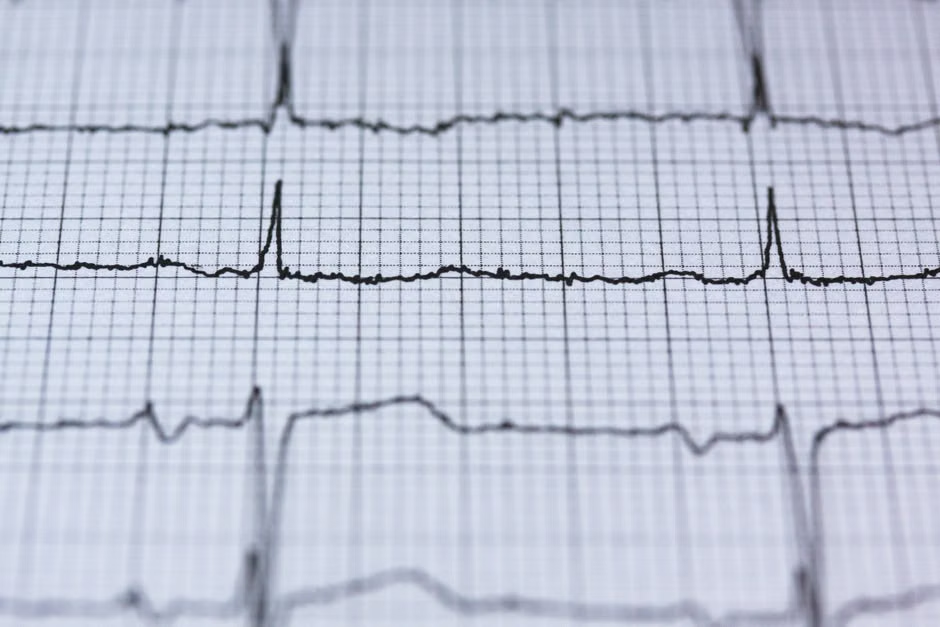
In atrial flutter, the electrical signals in the atria follow a more organized, yet rapid, circular pathway, causing the atria to beat quickly but with a relatively regular rhythm—often described as a “sawtooth” pattern on an ECG. This contrasts with AFib, where the electrical activity is completely chaotic and irregular, leading to a much more disorganized and unpredictable atrial rhythm. While atrial flutter often presents with fewer symptoms than AFib, both conditions can increase the risk of stroke and require careful management. Both conditions disrupt the heart’s ability to efficiently pump blood, highlighting the importance of early detection and intervention. We perform life-saving interventional procedures in our facility, helping patients effectively manage conditions like these, as detailed in our guide What Is Interventional Cardiology? A Guide to Advanced Heart Procedures.
What It Treats: When to Seek Care for Arrhythmias
Recognizing the signs of a heart rhythm disorder is crucial for timely intervention. While some arrhythmias are harmless, others can indicate serious underlying issues. We encourage you to seek evaluation if you experience any of the following:
- Palpitations: A sensation of a racing, pounding, or fluttering heart.
- Dizziness or Lightheadedness: Caused by reduced blood flow to the brain due to an inefficient heartbeat.
- Fainting (Syncope): A sudden loss of consciousness, which can be a sign of a dangerously slow or fast heart rate.
- Shortness of Breath: Especially during exertion or when resting, indicating the heart isn’t pumping blood effectively.
- Chest Pain or Discomfort: While chest pain can signal various issues, it can also be related to an arrhythmia. Our Certified Chest Pain Center is equipped to handle such emergencies, providing life-saving care.
- Fatigue: Persistent tiredness, even with adequate rest, may be a symptom of an arrhythmia limiting the heart’s ability to supply oxygenated blood.
If you experience any of these symptoms, particularly if they are sudden or severe, contacting your physician or seeking emergency care is important. Our facility operates a Certified Chest Pain Center, providing prompt, expert evaluation for all types of cardiac emergencies, including those related to heart rhythm disorders.

Does Ablation Cure Atrial Flutter?
Catheter ablation is a highly effective treatment for atrial flutter, often considered a cure. This minimally invasive procedure works by precisely targeting and destroying the small area of heart tissue responsible for creating the abnormal electrical signals that cause the flutter.
During a catheter ablation, our specialists guide thin, flexible tubes (catheters) into your heart, typically through a vein in your groin. These catheters deliver radiofrequency energy or cryotherapy (extreme cold) to create tiny scars in the heart tissue. These scars block the faulty electrical pathways, restoring a normal heart rhythm. For atrial flutter, the success rates for ablation are very high, often exceeding 90-95%, offering patients significant symptom relief and a return to a regular heartbeat. It’s a testament to the advanced care we provide, helping thousands of cardiology and heart patients in the region.
“Catheter ablation for atrial flutter is a highly successful procedure, often providing a definitive cure by interrupting the re-entrant electrical circuit that causes the arrhythmia.”
While often curative for atrial flutter, ablation for atrial fibrillation is generally more complex, aiming to control symptoms and reduce the need for antiarrhythmic medications, though it may not always be a complete “cure” in the same way it often is for flutter. We always discuss the most appropriate, individualized treatment plans with our patients, considering their unique health profile and goals.
Navigating Treatment Options and Alternatives
When it comes to treating arrhythmias, a comprehensive approach is always best. Our faith-driven care emphasizes treating the entire person: body, mind, and spirit. This means considering various options, from lifestyle modifications to advanced interventional procedures.
For many patients, especially those with less severe arrhythmias, initial management may include medication, stress reduction techniques, and dietary changes. Controlling underlying conditions like high blood pressure or diabetes is also paramount. Sometimes, a “wait and see” approach with regular monitoring is appropriate.
However, for persistent or symptomatic arrhythmias like AFib and atrial flutter, or when medication isn’t enough, more specialized interventions become necessary. These can include electrical cardioversion to reset the heart’s rhythm, or catheter ablation as described above. In some cases, a pacemaker may be implanted to help regulate a slow heartbeat. For patients at high risk of stroke due to AFib, blood thinners are crucial, and for those who cannot tolerate blood thinners, left atrial appendage occlusion devices may be considered.
We work collaboratively with our patients and their families to determine the best course of action, always prioritizing patient safety and quality of life. We believe in providing options that align with your values and health goals, even recommending non-surgical alternatives when they are clinically appropriate and effective.
Living with an Arrhythmia: Practical Tips
Managing an arrhythmia extends beyond medical treatments. Lifestyle adjustments play a vital role in controlling symptoms, preventing complications, and improving your overall cardiac health. Here are some practical tips we often share with our patients:
- Follow Your Medication Regimen: Take all prescribed medications exactly as directed by your physician. Don’t stop or adjust doses without medical advice.
- Manage Stress Effectively: Stress can be a significant trigger for arrhythmias. Incorporate relaxation techniques like meditation, deep breathing, or yoga into your daily routine.
- Maintain a Heart-Healthy Diet: Focus on whole foods, lean proteins, fruits, vegetables, and whole grains. Limit processed foods, excessive sodium, and unhealthy fats.
- Limit Caffeine and Alcohol: For many, these substances can trigger or worsen arrhythmias. Pay attention to your body’s response and adjust consumption accordingly.
- Stay Hydrated: Dehydration can sometimes contribute to electrolyte imbalances that affect heart rhythm. Drink plenty of water throughout the day.
- Regular, Moderate Exercise: Consult your doctor about an appropriate exercise plan. Physical activity strengthens the heart and can improve overall cardiovascular health, but always within safe limits.
Remember, living with an arrhythmia is a journey, and our team is here to support you every step of the way. We’ve seen firsthand how these practical steps, combined with expert medical care, can significantly improve outcomes and quality of life for our patients in Murrieta and the surrounding Inland Empire region.
If you’re experiencing symptoms of an irregular heartbeat, or have been diagnosed with an arrhythmia or atrial fibrillation, remember that you don’t have to navigate this alone. Our faith-based approach at Loma Linda University Medical Center – Murrieta means we’re committed to providing not only advanced medical care but also compassionate support for your holistic well-being. We’re dedicated to helping you understand your condition, explore the most effective treatment options, and empower you with the knowledge to live a healthier life. Your needs are our goals, and we’re ready to partner with you on your path to better heart health.