
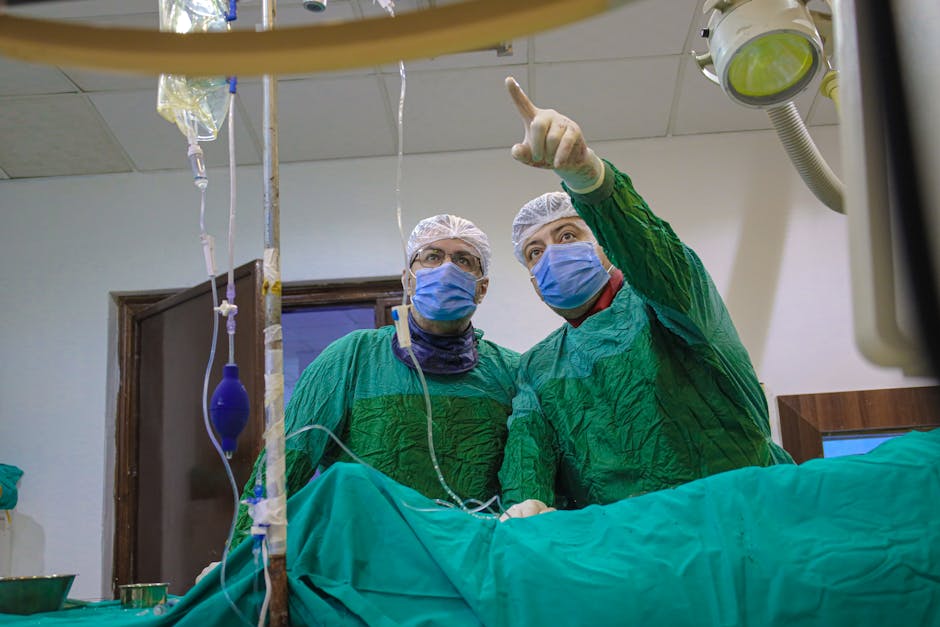
Facing a potential heart procedure can bring a mix of emotions—concern about the unknown, questions about what lies ahead, and a strong desire to understand every step of the process. If your doctor has recommended a cardiac catheterization, you’re likely seeking clear, reassuring information about this common diagnostic and interventional tool. We understand this journey.
A cardiac catheterization is a procedure that provides critical insights into your heart’s health, helping our board-certified specialists diagnose and, in many cases, treat various heart conditions. It’s a key part of how we provide advanced care, helping us to assess coronary arteries, heart valve function, and overall heart muscle strength. At Loma Linda University Medical Center – Murrieta, we are dedicated to patient-focused care that encompasses the body, mind, and spirit, ensuring you feel supported throughout your cardiac journey.
Understanding what to expect, from preparation through recovery, empowers you and your family. We aim to demystify complex medical procedures, offering clarity and peace of mind. For more on the advanced methods our specialists employ, you might find our guide to What Is Interventional Cardiology? helpful.
What is Cardiac Catheterization? A Foundation
Cardiac catheterization is a medical procedure where a thin, flexible tube called a catheter is inserted into a blood vessel, usually in your groin, wrist, or neck, and guided to your heart. This allows physicians to perform diagnostic tests, such as checking for blockages in your coronary arteries (coronary angiography), measure pressures within the heart chambers, or take tissue samples. It can also be used for interventional treatments, like placing stents to open blocked arteries.
This procedure is central to modern cardiology, providing direct access to the heart’s structures. The National Heart, Lung, and Blood Institute explains that cardiac catheterization is essential for identifying heart conditions and guiding treatment plans, allowing doctors to visualize issues that might not be apparent with external imaging alone. Our state-of-the-art digital cath labs are equipped to perform these precise diagnostic and interventional procedures with accuracy.
How Serious Is a Heart Catheterization?
A heart catheterization is generally considered a minimally invasive procedure, not a major surgery. While it carries some risks, as do all medical procedures, it’s typically performed with local anesthesia and conscious sedation, allowing you to remain awake but relaxed. Serious complications are rare, and our experienced multidisciplinary clinical teams prioritize your safety and comfort.
While the thought of any heart procedure can feel serious, a cardiac catheterization is often a life-saving or quality-of-life-improving diagnostic and treatment tool. We have performed thousands of cardiology and heart patient procedures, with our facility being the first in the region to provide interventional cardiology services. This experience means we’re well-versed in managing the procedure with the utmost care and precision. Our status as a Certified Chest Pain Center also reflects our commitment to high standards in cardiac care.
“Cardiac catheterization provides invaluable, real-time information about heart health that often cannot be obtained through non-invasive tests alone. While it carries some risks, advancements in techniques and equipment have made it a very safe and routine procedure for millions of patients annually.”
What Conditions Does Cardiac Catheterization Treat or Diagnose?
Cardiac catheterization is a versatile tool used for both diagnosing and treating a wide range of heart and vascular conditions. It provides direct, detailed information that helps our physicians create individualized treatment plans.
You might need a cardiac catheterization if your doctor suspects or needs to treat:
- Coronary Artery Disease (CAD): To identify narrowed or blocked arteries, a common cause of chest pain or heart attack. As we explain in Coronary Artery Disease: Risk Factors and Prevention Strategies, early detection is key.
- Heart Attack (Myocardial Infarction): To quickly open blocked arteries and restore blood flow during an emergency, often performed as a primary angioplasty. We are a first STEMI-receiving center in the region.
- Heart Valve Disease: To assess the function of heart valves and determine if they are narrowed (stenosis) or leaking (regurgitation).
- Heart Muscle Disease (Cardiomyopathy): To measure pressures and take tissue samples (biopsy) to diagnose conditions affecting the heart muscle.
- Congenital Heart Defects: To diagnose structural problems present from birth.
- Peripheral Artery Disease (PAD): Although primarily focused on the heart, catheterization techniques can also be used to diagnose and treat blockages in other arteries.
- Heart Rhythm Problems (Arrhythmias): Electrophysiologists use specialized catheters to locate and treat areas of the heart causing irregular beats, as discussed in our article on Arrhythmia vs. Atrial Fibrillation.
How Long Does It Take to Recover After a Cardiac Catheterization?
Recovery after a cardiac catheterization typically involves a few hours to a few days, depending on the access site (groin or wrist) and whether an interventional procedure was performed. Most patients are monitored closely for several hours post-procedure before being discharged home the same day or the next. Full recovery and return to normal activities usually take about a week.
What Should You Not Do After a Heart Catheterization?
After a heart catheterization, it’s crucial to follow specific post-procedure instructions to prevent complications and ensure proper healing. Our nursing care teams provide detailed guidance before you leave the hospital, emphasizing rest and avoiding strenuous activities.
Here’s a list of important precautions:
- Avoid strenuous activities: No heavy lifting (over 10 pounds), pushing, or pulling for at least 3-7 days. This includes intense exercise and sexual activity.
- No baths or swimming: You can shower, but avoid submerging the puncture site in water for several days to prevent infection. Keep the dressing dry during showers if advised.
- Don’t strain during bowel movements: Drink plenty of fluids and eat fiber-rich foods to prevent constipation.
- Avoid long periods of standing: Particularly if the access site was in the groin, prolonged standing can put pressure on the site.
- Don’t drive immediately: You’ll need someone to drive you home, and you should avoid driving for at least 24-48 hours, or longer if you received sedation.
These guidelines help ensure the puncture site heals properly and reduces the risk of bleeding or other complications. We prioritize patient safety and provide clear, actionable advice for a smooth recovery.
How Long Is Bed Rest After Cardiac Catheterization?
The length of bed rest after cardiac catheterization depends significantly on the access site. If the procedure was performed via the groin artery, you’ll typically need to lie flat for 2-6 hours to prevent bleeding from the puncture site. For wrist access, bed rest is usually shorter, often just an hour or two, with less restriction on movement. Our specialized programs focus on reducing patient discomfort and expediting recovery safely.
During this bed rest period, our dedicated nursing staff will frequently check your vital signs and the access site for any signs of bleeding or swelling. They’ll also ensure you’re comfortable and manage any pain. After the initial bed rest, you’ll gradually be allowed to sit up and then walk, always with assistance initially. This careful monitoring and gradual return to mobility are critical components of our patient-centered holistic care.
Are There Alternatives or Exceptions to Cardiac Catheterization?
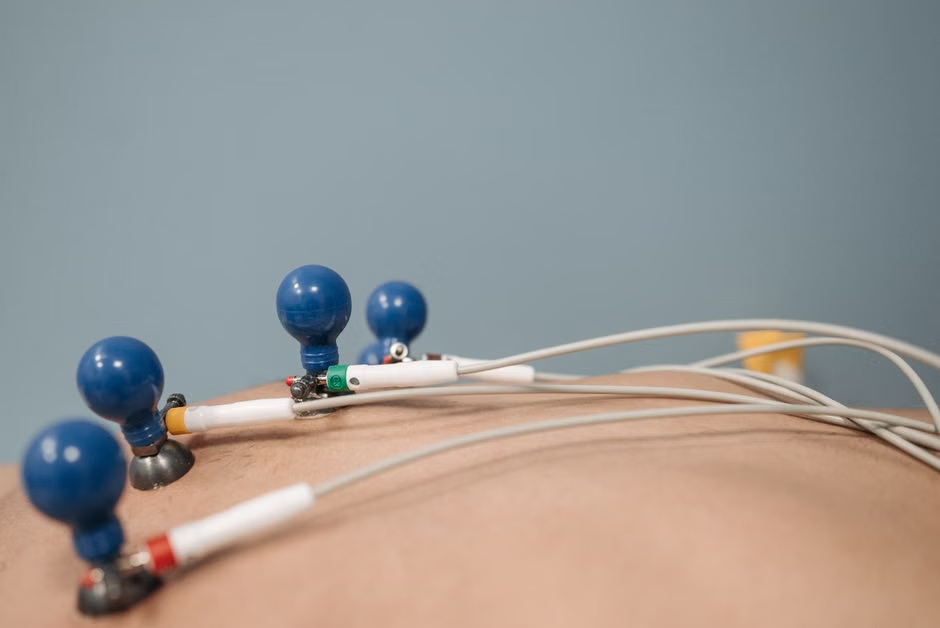
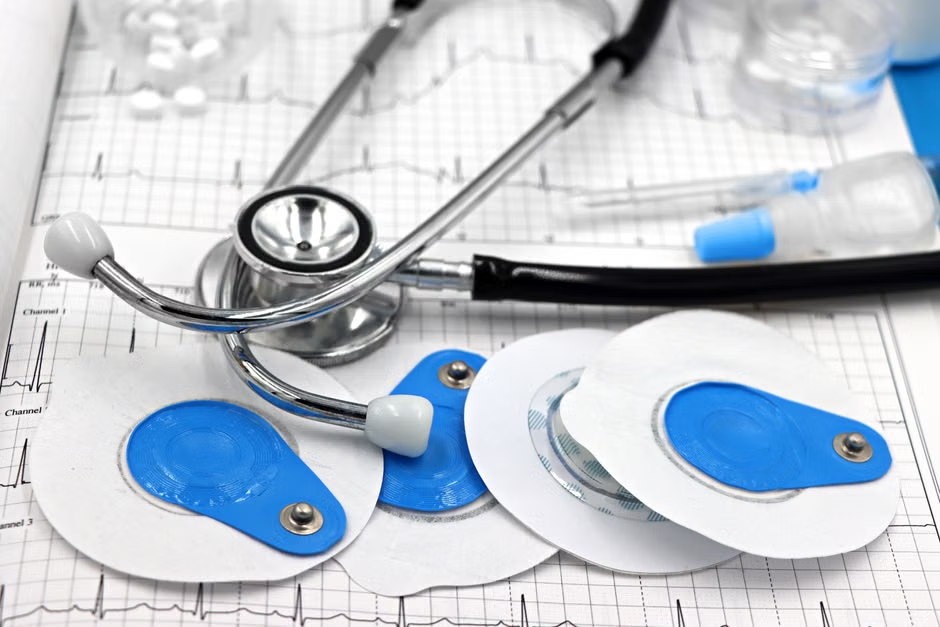
While cardiac catheterization is a powerful tool, it’s not always the first step. Non-invasive tests are often performed first to assess heart health. These can include electrocardiograms (ECGs), echocardiograms, stress tests (exercise or pharmacological), and cardiac CT scans or MRI. These tests can provide valuable information without the need for a catheter.
For example, if you’re experiencing chest pain, your initial evaluation might involve a stress test to see how your heart responds to exertion. A cardiac CT angiography can provide detailed images of your coronary arteries without an invasive procedure. Our board-certified specialists will always consider the least invasive yet most effective diagnostic approach for your specific situation. Sometimes, these alternative methods are sufficient, and a catheterization is only pursued if these initial tests indicate a greater need for direct assessment or intervention.
“For many patients, non-invasive cardiac imaging techniques like echocardiography or stress testing can effectively screen for heart conditions. However, when these tests yield inconclusive results or indicate a high probability of significant coronary artery disease, cardiac catheterization remains the gold standard for definitive diagnosis and intervention.”
Realistic Results and What to Expect After the Procedure
After a cardiac catheterization, you can expect to feel some fatigue and possibly mild discomfort at the access site. The goal is often improved heart health and reduced symptoms if an intervention was performed. For diagnostic procedures, the results will guide future treatment plans, potentially leading to medication adjustments, lifestyle changes, or other interventions.
If you’ve undergone an angioplasty with stent placement, you may notice an improvement in symptoms like chest pain or shortness of breath fairly quickly. However, ongoing heart health requires commitment. This includes taking prescribed medications, making heart-healthy lifestyle choices, and potentially participating in a cardiac rehabilitation program, which we cover in detail in our article on Heart Attack Recovery: Cardiac Rehabilitation and Life After STEMI. Our facility boasts a 3,600 sq ft rehabilitation therapy suite designed to support your recovery journey.
Your doctor will schedule follow-up appointments to monitor your progress and ensure the long-term success of any interventions. Remember, this is a journey toward better health, and we are partners with you every step of the way, providing faith-driven care that focuses on your body, mind, and spirit.
Practical Tips for a Smooth Cardiac Catheterization Recovery
A successful recovery is a team effort between you and your healthcare providers. Following discharge instructions diligently is paramount. Here are some practical tips to help you recover well:
- Keep the Puncture Site Clean and Dry: Follow your care team’s instructions on wound care. Look for signs of infection like redness, swelling, pus, or increased pain.
- Stay Hydrated: Drinking plenty of fluids helps flush the contrast dye from your system and can aid in overall recovery.
- Manage Pain: Use over-the-counter pain relievers as directed by your doctor. Avoid aspirin or blood thinners unless explicitly instructed.
- Gradually Increase Activity: Don’t rush back into your full routine. Take short, frequent walks around your home to promote circulation without overexertion.
- Monitor for Complications: Be aware of potential signs of complications, such as a large bruise or swelling at the puncture site, sudden weakness, numbness, or tingling in the affected limb, or chest pain. Contact your doctor immediately if you experience these. For life-threatening emergencies, like severe chest pain, call 911 or visit our Chest Pain Center immediately.
- Attend Follow-Up Appointments: These appointments are vital for your doctor to assess your healing, discuss results, and adjust your care plan as needed.
We believe in empowering our patients with knowledge and support for sustained health. Our goal is always to help you return to your daily life feeling stronger and more confident about your heart health. Your needs are our goals, and we’re committed to providing you with the highest level of comprehensive and patient-focused care.