

Facing a heart condition or recovering from a cardiac event can leave you feeling vulnerable, uncertain about the future, and perhaps even fearful of daily activities. The road to recovery often feels long, but you don’t have to walk it alone. Restoring your heart health and reclaiming your quality of life is a journey, and cardiac rehabilitation is a vital step.
This specialized program is designed not just to mend the body, but to empower you with the knowledge and confidence to live a fuller, healthier life. It’s about understanding your heart, managing risks, and building strength for the long term. At Loma Linda University Medical Center – Murrieta, we are dedicated to helping you protect, save, and repair your heart, offering comprehensive support for your recovery.
Our faith-driven approach at LLUMC-Murrieta focuses on the entire person—body, mind, and spirit. We believe that caring service comes with a high level of medicine, providing patient-focused care through all levels of life, including specialized support for your heart care needs.
What Is Cardiac Rehabilitation and Why Does It Matter?
Cardiac rehabilitation is a medically supervised program designed to improve the health and well-being of people who have heart problems. This comprehensive program often includes exercise training, education on heart-healthy living, and counseling to reduce stress and help you return to an active life. It’s a critical component of recovery, helping to strengthen your heart and prevent future issues.
This structured program extends beyond simple exercise. It integrates a multidisciplinary approach, combining the expertise of physicians, nurses, exercise physiologists, dietitians, and behavioral health specialists. According to the Mayo Clinic, cardiac rehabilitation can significantly improve your cardiovascular fitness, reduce symptoms like chest pain and shortness of breath, and enhance your overall well-being. It’s about building a foundation for a healthier future.
In our practice at Loma Linda University Medical Center – Murrieta, we’ve seen thousands of cardiology and heart patients benefit from these personalized programs. Our approach supports not just the physical healing, but also the emotional and spiritual components of recovery, consistent with our holistic, faith-based mission.
What are the 4 phases of cardiac rehabilitation?
Cardiac rehabilitation typically unfolds in four progressive phases, each building upon the last to guide you from initial recovery to long-term heart health. These phases ensure a safe and effective transition, allowing your body to adapt and strengthen under careful medical guidance.
- Phase 1: Inpatient Rehabilitation
This phase begins while you are still in the hospital, often shortly after a heart attack, heart surgery, or another cardiac event. The focus is on early mobilization, gentle exercises, and basic education about your condition. Our nurses and therapists guide you through safe movements, helping you understand your limitations and prevent complications before you even leave the hospital.
- Phase 2: Supervised Outpatient Rehabilitation
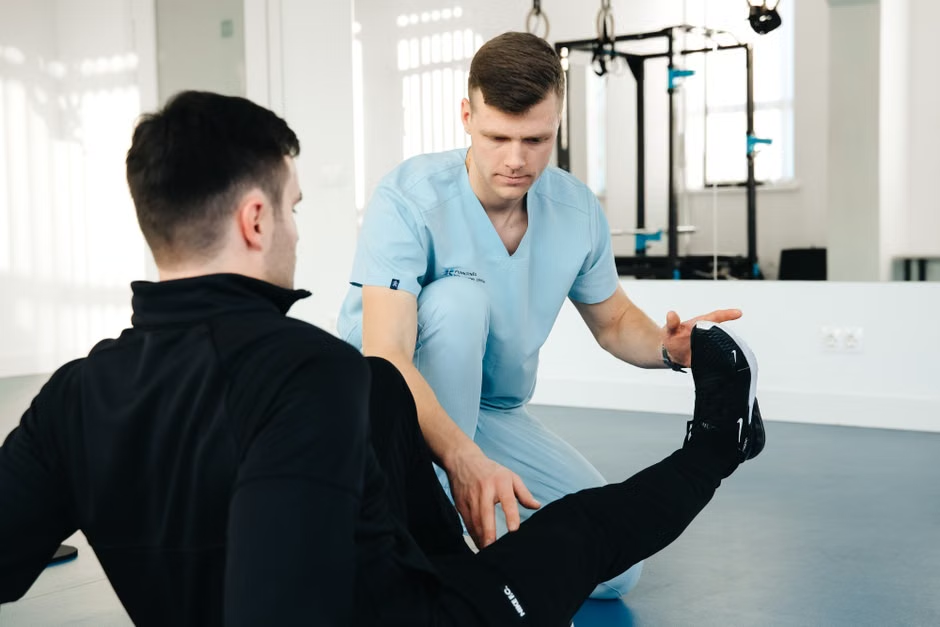
Once discharged, you’ll transition to a supervised outpatient program, usually lasting 3-6 weeks. This is where the core of your exercise training begins in a monitored setting. You’ll engage in aerobic activities, light strength training, and receive in-depth education on nutrition, medication management, and stress reduction. Our multidisciplinary clinical teams, often holding advanced degrees, closely monitor your heart rate, blood pressure, and symptoms to ensure your safety and progress.
- Phase 3: Unsupervised Community-Based Program
After completing Phase 2, this phase focuses on maintenance and continued improvement. It’s often less supervised and can take place in community centers, gyms, or at home. The goal is to reinforce healthy habits and encourage an active lifestyle independently, though guidance from your care team remains available. We offer resources and support to help you find appropriate programs to continue your journey.
- Phase 4: Lifelong Maintenance
This final phase emphasizes the importance of making heart-healthy living a permanent part of your life. It involves sustained commitment to exercise, diet, and risk factor management. Think of it as a commitment to continued well-being, where the habits you’ve built become second nature. Our mission is to equip you for this lifelong journey toward optimal health.
Our state-of-the-art 3,600 sq ft rehabilitation therapy suite at LLUMC-Murrieta is a testament to our commitment to your recovery, offering private treatment rooms and even a therapeutic pool to support your journey through these critical phases.
How Does Cardiac Rehab Work?
Cardiac rehab works by combining individualized exercise prescriptions with education and counseling, all tailored to your specific heart condition and needs. It’s a holistic program that addresses the physical, mental, and emotional aspects of recovery, ensuring you have the tools to manage your health long-term.
During the exercise sessions, you’ll perform activities like walking on a treadmill, cycling, or using resistance bands, all while your heart rate, blood pressure, and sometimes even your ECG are monitored. This close supervision ensures that you’re exercising safely and effectively, gradually increasing your stamina and strength. Our board-certified specialists develop plans based on evidence-based cardiology practices, ensuring your program is both safe and maximally beneficial.
Beyond exercise, a significant part of cardiac rehab involves education. You’ll learn about heart-healthy eating, how to manage stress, and the importance of medication adherence. These insights empower you to make informed decisions that protect your heart. For those dealing with conditions like congestive heart failure, understanding dietary sodium limits and fluid management can be life-changing.
“Cardiac rehabilitation is one of the most effective ways to improve long-term outcomes for patients with heart disease. It reduces mortality, hospital readmissions, and symptoms, while significantly improving functional capacity and quality of life.”
What Conditions Does Cardiac Rehabilitation Treat?
Cardiac rehabilitation is beneficial for a wide range of heart conditions and post-surgical recoveries, acting as a crucial bridge from illness to lasting wellness. It’s not just for those who have experienced a heart attack, but for anyone looking to strengthen their heart and reduce future risks.
You might be a candidate for cardiac rehabilitation if you’ve experienced or have:
- A recent heart attack (myocardial infarction)
- Coronary artery bypass graft (CABG) surgery
- Angioplasty and stent placement
- Heart failure, including congestive heart failure
- Heart valve repair or replacement surgery
- Heart transplant
- Stable angina (chest pain due to heart disease)
- Peripheral artery disease (PAD)
Our multidisciplinary approach at LLUMC-Murrieta means that for each of these conditions, we develop an individualized treatment plan. We were the first hospital in the region to provide interventional cardiology services and the first STEMI-receiving center, saving hundreds of lives from sudden heart attack, demonstrating our deep expertise in acute and rehabilitative cardiac care.
Are there any disadvantages to cardiac rehabilitation?
While the benefits of cardiac rehabilitation generally far outweigh any potential drawbacks, it’s natural to consider any challenges. The primary “disadvantages” often relate to the time commitment, insurance coverage, and the need for consistent participation, rather than inherent risks of the program itself. These are hurdles we strive to help you overcome.
Some individuals may find the regular appointments challenging due to work schedules, transportation, or family commitments. While home-based programs exist, they lack the direct supervision and immediate medical response that an in-person, medically monitored program provides. Our team works with you to help navigate these logistics, understanding that consistency is key for optimal results. Additionally, while most insurance plans cover cardiac rehab, it’s always wise to verify your specific coverage.
The risks associated with cardiac rehabilitation itself are minimal when conducted under proper medical supervision. Our experienced staff, which includes board-certified electrophysiologists and other specialists, are trained to monitor you closely during exercise sessions and adjust your program as needed. This careful oversight significantly reduces the risk of adverse events, making it a very safe environment for your recovery.
What is the best exercise for cardiac rehab?
There isn’t a single “best” exercise for cardiac rehab; rather, the most effective program is one that is personalized to your specific condition, fitness level, and preferences, focusing on a mix of aerobic, strength, and flexibility training. Variety and consistency are key.
Most cardiac rehab programs emphasize aerobic exercises because they strengthen your heart and lungs. Activities like walking, jogging, cycling, swimming, or using an elliptical machine are common. For example, a brisk walk for 30 minutes, most days of the week, can significantly improve cardiovascular fitness. Our goal is to help you build up to these activities safely, monitoring your normal heart rate responses and teaching you how to recognize any concerning heart palpitation or other heart attack symptoms.
In addition to aerobic exercise, light strength training using resistance bands or small weights is incorporated to build muscle strength. Flexibility and balance exercises are also important for overall mobility and preventing falls. The key is progressive overload—gradually increasing the intensity, duration, or frequency of your workouts under the guidance of our expert team, who ensures you are always exercising safely and effectively.
“Regular physical activity is one of the most important things you can do for your heart health. It can lower your blood pressure, improve cholesterol levels, manage blood sugar, and reduce your risk of another heart event.”

Practical Tips for Your Heart Health Recovery
Taking charge of your heart health involves more than just attending rehab sessions; it means integrating healthy habits into every aspect of your life. Here are some practical tips to support your recovery and long-term well-being:
- Adhere to Your Personalized Exercise Plan: Consistency is crucial. Follow the exercise regimen prescribed by your cardiac rehab team, even on days you don’t feel like it. Small, regular efforts yield big results.
- Embrace a Heart-Healthy Diet: Focus on whole foods, including fruits, vegetables, lean proteins, and whole grains. Limit processed foods, unhealthy fats, and excessive sodium. A dietitian can provide tailored guidance for your specific needs.
- Manage Stress Effectively: Stress can significantly impact heart health. Explore techniques like meditation, deep breathing exercises, spending time in nature, or engaging in hobbies you enjoy. If stress feels overwhelming, consider exploring resources like our Behavioral & Mental Health services.
- Quit Smoking: If you smoke, quitting is one of the most impactful steps you can take for your heart. Seek support from your care team or local programs.
- Take Medications as Prescribed: Your medications play a vital role in managing your condition and preventing future events. Understand their purpose and take them exactly as directed, even if you feel better.
- Schedule Regular Check-ups: Continue to see your primary care physician and cardiologist regularly. These follow-up appointments are essential for monitoring your progress and adjusting your care plan as needed.
Remember, your rehabilitation journey is also about preventing future issues. Many community resources are available to support ongoing health and wellness, helping you maintain these habits for a lifetime.
What to Expect from Cardiac Rehabilitation: Realistic Outcomes
Engaging in cardiac rehabilitation offers a wealth of benefits that extend beyond mere physical recovery. We emphasize realistic expectations, focusing on sustainable improvements that empower you to live more fully.
Within weeks, you can expect to feel stronger and have more stamina. Activities that once seemed daunting, like walking up stairs or carrying groceries, will become easier. You’ll likely experience a reduction in cardiac symptoms such as shortness of breath or fatigue, leading to an improved quality of life. Patients often report better energy levels and a greater sense of well-being.
Beyond the physical, you’ll gain a deeper understanding of your heart condition, how to manage it, and how to minimize risk factors for future cardiac events. This education is invaluable. Mentally, many patients find renewed confidence and a reduced sense of anxiety or depression often associated with heart disease. The support group aspect of rehab can also provide immense emotional encouragement.
The long-term outlook for those who complete cardiac rehabilitation is significantly positive. Studies show that participants have a lower risk of future heart problems, hospital readmissions, and improved survival rates. It’s an investment in your health that pays dividends for years to come.
Your journey to heart health is a testament to resilience and dedication, and we are honored to be a part of it. At Loma Linda University Medical Center – Murrieta, we are dedicated to providing the advanced care and compassionate support you need to navigate this path. Our commitment extends to taking care of the entire person: the body, mind, and spirit. We invite you to speak with your physician about how cardiac rehabilitation can be a vital component of your recovery, helping you return to a life of vitality and purpose.