
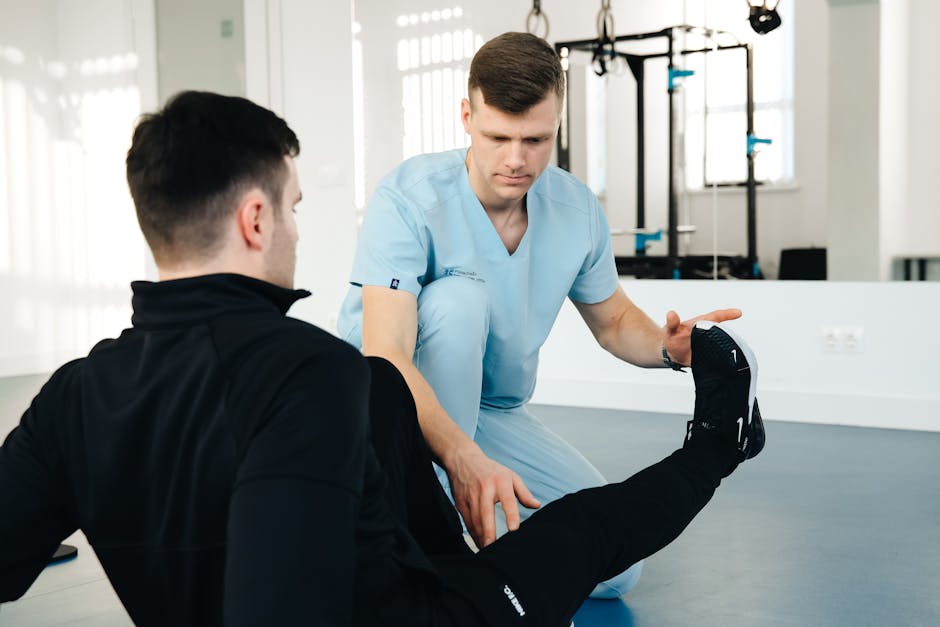
Recovering from surgery is a journey, not a destination. While the procedure itself might be over, the path to regaining strength, mobility, and independence often begins with a crucial next step: physical therapy. Many patients feel unsure about when to start, what it entails, or if it will truly make a difference.
We understand these concerns. Our bodies are complex, and returning to daily activities after an operation requires careful guidance and dedicated effort. Physical therapy is a vital part of this process, helping you heal safely and effectively, minimizing pain, and preventing future complications.
At Loma Linda University Medical Center – Murrieta, we are dedicated to supporting your recovery journey, focusing on the entire person: body, mind, and spirit. We believe that caring service comes with a high level of medicine, providing comprehensive and patient-focused care throughout all stages of life, including your rehabilitation after a procedure.
What is Post-Surgical Physical Therapy?
Post-surgical physical therapy (PT) is a specialized program of exercises and treatments designed to help patients recover function, reduce pain, and restore mobility after an operation. It’s a critical component of healing, often tailored to the specific type of surgery and individual patient needs. The goal is to facilitate a safe and timely return to daily activities, work, and hobbies.
Our multidisciplinary clinical teams, many holding advanced degrees, approach each patient with an individualized treatment plan. We know that every recovery is unique. As the National Institutes of Health (NIH) explains, rehabilitation therapy, including physical therapy, is essential for regaining function and preventing long-term disability, especially after major surgeries.1
How does physical therapy work after surgery?
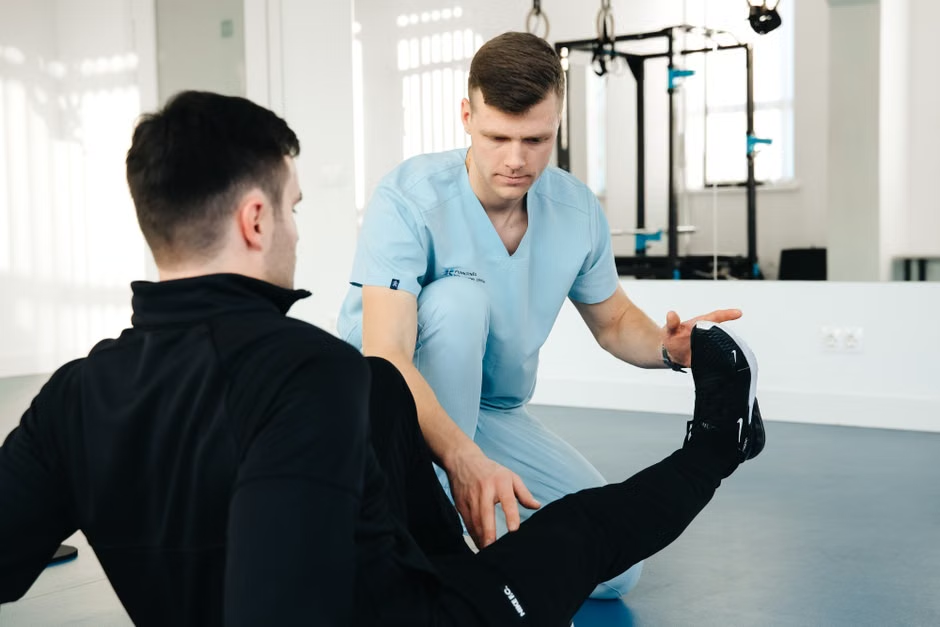
Physical therapy after surgery works by systematically guiding you through a series of therapeutic exercises and manual techniques. We begin gently, often while you’re still in the hospital, and gradually increase the intensity as your body heals. Our physical therapists assess your range of motion, strength, balance, and pain levels to develop a customized plan.
This plan often includes exercises to improve joint mobility, strengthen weakened muscles, and reduce swelling. Techniques like manual therapy, therapeutic exercise, gait training, and education on proper body mechanics are commonly used. Our 3,600 sq ft rehabilitation therapy suite, complete with private treatment rooms and a therapeutic pool, allows us to offer a wide range of specialized programs designed for optimal recovery.
How long after surgery should I start PT?
The timing for starting physical therapy after surgery varies significantly depending on the type of procedure and your individual recovery. Often, PT begins within a day or two of surgery, especially for orthopedic procedures like joint replacements or for patients undergoing major surgery that requires early mobilization.
For some procedures, therapists might start with gentle movements in the hospital, even before discharge. For others, particularly those requiring soft tissue healing, your surgeon may recommend waiting a few days or weeks before beginning more intensive therapy. Always follow your surgeon’s specific instructions for when to initiate therapy. Our board-certified specialists work closely with your surgical team to ensure seamless, coordinated care.
“Early mobilization after surgery, when appropriate, can significantly reduce complications such as blood clots, improve lung function, and accelerate overall recovery. However, the exact timing must always be individualized based on the surgical site and patient’s condition.”
What Does Post-Surgical Physical Therapy Treat?
Physical therapy is incredibly versatile, addressing a wide range of needs stemming from various surgical procedures. It focuses on restoring specific functions and alleviating symptoms that can hinder your recovery.
We’ve seen thousands of patients from the Murrieta-Temecula region benefit from our specialized programs. Post-surgical PT commonly treats:
- Pain Management: Reducing discomfort and reliance on medication.
- Restored Range of Motion: Improving flexibility in joints affected by surgery.
- Muscle Weakness: Rebuilding strength in atrophied or deconditioned muscles.
- Balance and Coordination Issues: Preventing falls, especially after lower body or neurological surgeries.
- Swelling and Edema: Using techniques to manage post-operative inflammation.
- Scar Tissue Mobility: Improving the flexibility and appearance of surgical scars.
- Gait Abnormalities: Re-educating walking patterns after orthopedic or neurological events.
Our faith-driven care extends to ensuring every aspect of your physical recovery is supported, so you can return to a full and active life.
Can physical therapy help weak legs?
Absolutely, physical therapy is exceptionally effective in strengthening weak legs, whether the weakness stems from surgery, injury, or a neurological condition. Therapists use targeted exercises, resistance training, and functional movements to progressively build muscle strength, improve endurance, and restore stability in the legs.
Through a customized approach, we help patients regain confidence in their ability to walk, climb stairs, and perform daily tasks. Our expert therapists employ evidence-based practices to address the root cause of leg weakness, leading to tangible improvements in mobility and overall quality of life. We’ve helped countless patients, including those recovering from joint replacement surgeries where we’ve earned a Healthgrades 5-star rating for our Total Knee Replacement program, regain significant leg strength and function.
What is a red flag in physical therapy?
While physical therapy is generally safe and beneficial, certain symptoms or situations during your sessions warrant immediate attention from your therapist or medical team. These are “red flags” that might indicate a complication or a need to adjust your treatment plan.
It’s crucial to communicate openly with your therapist if you experience any concerning symptoms. These might include:
- Sudden, Sharp Increase in Pain: Beyond expected soreness, especially if it doesn’t subside quickly.
- New or Worsening Numbness or Tingling: Especially if it radiates down a limb.
- Fever or Chills: Could indicate an infection, particularly after surgery or injury.
- Excessive Swelling or Redness: Around the incision site or affected joint, potentially a sign of infection or DVT.
- Difficulty Breathing or Chest Pain: Requires immediate medical attention and is a serious concern.
- Unexplained Weakness or Instability: If your progress suddenly reverses or you feel markedly weaker.
We prioritize your safety and well-being, and our therapists are trained to recognize and respond to these signs, coordinating with your doctor as needed.
Suitability and Alternatives to Post-Surgical Physical Therapy
Physical therapy is almost universally recommended after many types of surgery, especially orthopedic and neurological procedures. However, its intensity and duration can vary. For very minor procedures, or in cases where a patient has significant pre-existing conditions that make active participation unsafe, the approach might be modified or delayed.
In some instances, other forms of rehabilitation, such as occupational therapy (focused on daily living activities) or speech therapy, might be emphasized more heavily, depending on the specific surgical impact. For certain chronic pain conditions not directly related to surgery, alternatives like behavioral therapy or pharmacological management might be the primary approach, sometimes in conjunction with PT. Our commitment to patient-centered holistic care means we always assess the full picture of your health needs.
“While physical therapy is a cornerstone of post-operative recovery, a comprehensive rehabilitation plan may also involve occupational therapy for activities of daily living, or even psychological support to address the emotional aspects of recovery. The best approach is always a tailored, multidisciplinary one.”
What to Expect During Post-Surgical Physical Therapy and Realistic Timelines
When you start physical therapy, you can expect a detailed initial assessment where your therapist evaluates your current condition, discusses your surgical history, and listens to your personal recovery goals. Sessions typically involve a combination of hands-on techniques, therapeutic exercises, and education.
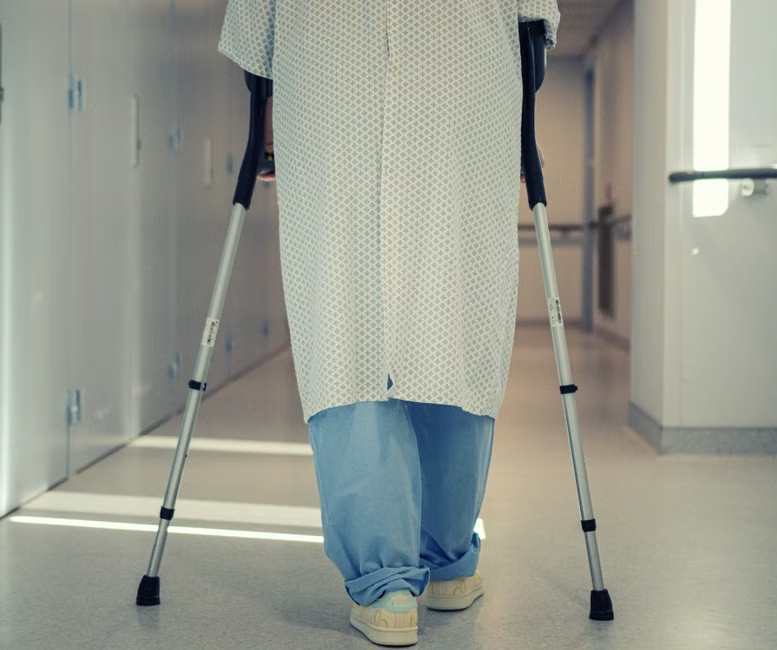
Progress isn’t always linear; you’ll have good days and challenging days. A realistic timeline for recovery varies greatly. For a simple knee arthroscopy, you might see significant improvement within 4-6 weeks, while a total joint replacement could require 3-6 months or more of consistent therapy. More complex surgeries, like those for spinal cord injuries, may involve rehabilitation lasting many months or even years. We focus on celebrating every milestone, big or small, on your journey back to health.
Practical Tips for Successful Post-Surgical Physical Therapy
Maximizing your recovery from surgery through physical therapy requires active participation and commitment. Here are some practical tips we offer our patients:
- Attend All Appointments: Consistency is key. Skipping sessions can set back your progress.
- Do Your Home Exercises: Your therapist will give you exercises to do at home. These are just as important as your in-clinic sessions.
- Communicate Openly: Always tell your therapist about your pain levels, any discomfort, or any changes you experience.
- Stay Hydrated and Nourished: Proper nutrition and hydration support your body’s healing processes.
- Get Adequate Rest: Your body needs time to repair and recover, especially after therapy sessions.
- Listen to Your Body: Push yourself, but don’t overdo it. Pain is a signal; learn to distinguish between therapeutic discomfort and harmful pain.
At Loma Linda University Medical Center – Murrieta, our dedication to taking care of the entire person—body, mind, and spirit—guides every aspect of your post-surgical recovery. We believe in empowering you with the knowledge and tools you need to regain your strength and return to the activities you love. Our expert teams are here to provide not just advanced care, but compassionate support through every step of your healing journey in the Murrieta-Temecula region.