
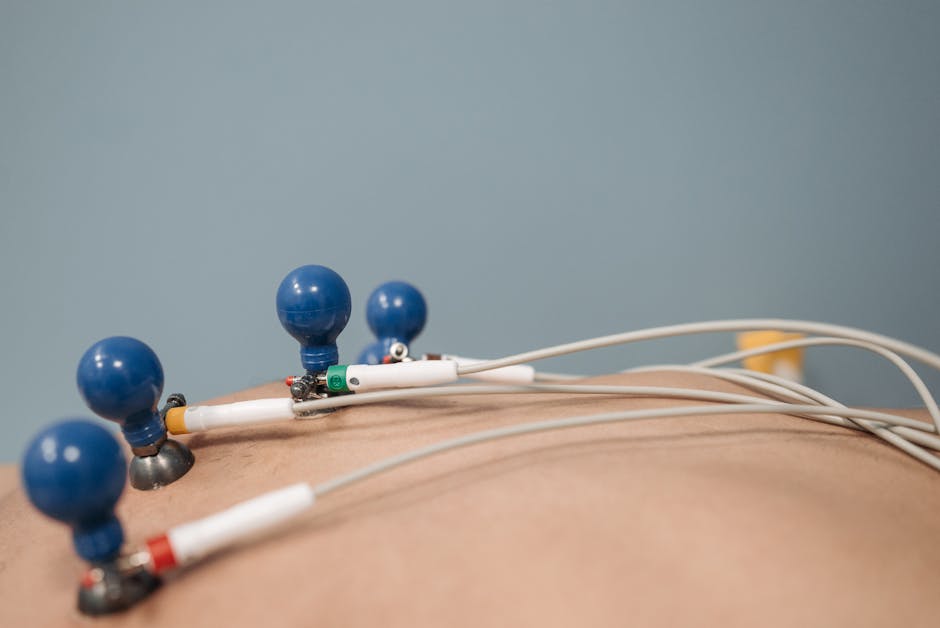
Every minute counts when chest pain strikes. Heart muscle deprived of blood begins to die within minutes of a blockage, and the difference between full recovery and permanent damage often comes down to how quickly a patient reaches the right care. That urgency is why a dedicated Chest Pain Center exists, and why having one close to home in the Murrieta-Temecula region matters so much to the families we serve.
Chest pain is one of the most common reasons people come through our emergency doors. But not all chest pain is the same. Some episodes are cardiac emergencies. Others stem from musculoskeletal strain, acid reflux, or anxiety. The job of a Chest Pain Center isn’t to treat everyone the same way. It’s to triage rapidly, confirm or rule out a heart attack fast, and deliver the right intervention before damage becomes irreversible.
At Loma Linda University Medical Center – Murrieta, we were the first hospital in this region to offer interventional cardiology services, and we became the area’s first STEMI-receiving center. In 2015, we earned Chest Pain Center certification from the Society for Cardiovascular Patient Care, a designation that reflects not just our technology but the protocols, teamwork, and training behind every cardiac emergency response. Our heart care program is built around one belief: helping you protect, save, and repair your heart is one of our highest priorities.
What Is the Main Goal of a Chest Pain Center?
The main goal of a Chest Pain Center is to reduce the time between a patient’s arrival and the start of life-saving treatment, particularly for heart attacks caused by blocked coronary arteries. Speed saves muscle. Every minute of delay means more cardiac tissue lost, which is why certified centers organize their teams, protocols, and technology specifically around rapid assessment and intervention.
The medical benchmark that drives everything in a Chest Pain Center is “door-to-balloon time,” the interval from when a patient arrives to when a catheter balloon opens a blocked artery. Reaching that artery within 90 minutes of arrival significantly improves survival and long-term heart function. We track that number for every STEMI patient. It drives how we staff, how our labs are positioned, and how we train our teams around the clock.
Certification from the Society for Cardiovascular Patient Care isn’t a trophy on the wall. It means external reviewers have audited our workflows, evaluated our outcomes data, and confirmed that our protocols meet the standard of care. We maintain that certification by measuring results continuously, not just at audit time. Three digital cardiac catheterization labs on site mean we almost never face a situation where a cath lab is occupied when a patient needs it most.
What Is the Emergency Protocol for Chest Pain?
When a chest pain patient arrives, our team activates a structured sequence designed to rule in or rule out a heart attack in the shortest time possible. The initial steps happen simultaneously, not in sequence, which is how we compress the timeline down to minutes rather than hours. You can see a full picture of how this integrates with our broader emergency services department and what to expect when you arrive.
Here’s what that protocol looks like from the moment you walk through our doors:
- Immediate triage: A nurse assesses your symptoms and vital signs at the door. Chest pain patients are never left waiting in line.
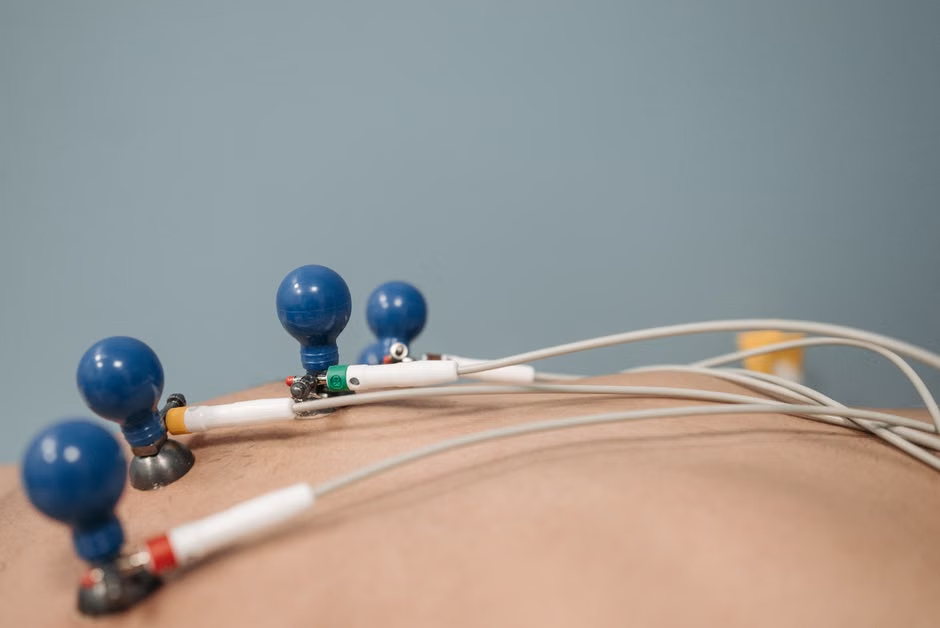
- 12-lead ECG within 10 minutes: This test shows whether your heart’s electrical activity reflects an active blockage or dangerous rhythm.
- IV access and blood draw: Cardiac biomarkers, especially troponin, are drawn and sent to the lab simultaneously.
- Continuous cardiac monitoring: You’re placed on a monitor so dangerous rhythm changes are caught in real time, not on a scheduled check.
- Physician evaluation: A board-certified emergency physician reviews your ECG and history while labs are still processing.
- Cath lab activation if needed: If a STEMI is confirmed, our cath lab team is paged and assembled while you’re being prepped, not after.
The parallel nature of this process is what makes it effective. By the time your troponin result is back, the team is already positioned to act.
“Time to treatment is the single most important determinant of outcome in patients with ST-elevation myocardial infarction. Every minute of delay results in additional myocardial cell death.”
What Is a Life-Saving Technique Used During Cardiac Emergencies?
The most critical life-saving technique in a cardiac emergency is percutaneous coronary intervention, or PCI, commonly called coronary angioplasty. A cardiologist threads a thin catheter through an artery in the wrist or groin, navigates it to the blocked coronary vessel, and inflates a small balloon to restore blood flow. A stent is usually placed to keep that artery open. This procedure avoids open-chest surgery and, when performed quickly, dramatically limits the amount of heart muscle lost.
Our interventional cardiologists have performed over 500 open-heart surgeries and treated thousands of cardiac patients from communities across the Inland Empire, including San Jacinto, Fallbrook, Menifee, Lake Elsinore, and Temecula. That volume of experience matters. Pattern recognition in a cath lab is something built through repetition, through years of seeing how blockages behave and how individual patients respond. Three state-of-the-art digital cath labs on site give us the capacity to respond without delay, even during peak hours.

For patients in cardiac arrest, defibrillation and CPR are the immediate interventions before PCI is possible. Every member of our clinical staff holds current advanced cardiac life support certification, and automated external defibrillators are positioned throughout the facility. But the goal is always to reach PCI as quickly as possible, because restoring blood flow is what stops the damage at its source.
What Warning Signs Require Emergency Cardiac Care?
Not every episode of chest discomfort is a heart attack, but certain symptoms should never be self-diagnosed or observed at home. Calling 911 and coming to an emergency department immediately is always the right call when any of the following appear suddenly or escalate over minutes.
- Chest pressure, squeezing, or tightness lasting more than a few minutes
- Pain radiating to the left arm, jaw, neck, or upper back
- Shortness of breath, with or without chest discomfort
- Cold sweat, nausea, or lightheadedness alongside chest symptoms
- Unusual or unexplained fatigue, particularly in women, which is a well-documented atypical heart attack presentation
- A sense of doom or dread that feels distinct from ordinary anxiety
Women in particular often present without classic crushing chest pain. Fatigue, nausea, and jaw discomfort without any pressure are common in female patients experiencing a heart attack. According to the Centers for Disease Control and Prevention, heart disease is the leading cause of death for women in the United States, and women are less likely than men to survive a first heart attack partly because their symptoms are less often recognized. Our Women’s Diagnostic Center coordinates directly with our cardiology team for exactly this reason.
“Heart disease kills approximately one woman every 80 seconds. Many women are unaware that their symptoms, such as jaw pain, nausea, or fatigue, may signal a cardiac event rather than something benign.”
Is Chest Pain Always a Heart Attack? When Is It Something Else?
Honestly, if you’re unsure, come in. The worst outcome is a patient who talks themselves out of seeking care because they thought their symptoms weren’t serious enough. We would rather evaluate you, confirm the pain is musculoskeletal or gastrointestinal, and send you home reassured than have you wait while a blockage progresses.
That said, many patients who arrive with chest pain are ultimately found to have non-cardiac causes. Costochondritis, inflammation of the cartilage connecting ribs to the sternum, can mimic cardiac pain closely. Acid reflux, esophageal spasm, and anxiety-related tightness are also common findings. Our team distinguishes these from true emergencies using a combination of ECG findings, troponin levels, imaging, and clinical assessment. A negative workup is genuinely good news, and we’ll give you a clear explanation of what we found and what to monitor going forward.
Patients managing chronic pain sometimes experience referred discomfort that feels cardiac in nature. Our Back and Neck Pain Center can work in collaboration with cardiology when the presentation is complex. We are dedicated to taking care of the entire person, body, mind, and spirit, and that means never dismissing symptoms just because they don’t fit a simple pattern.
What Should You Expect After Cardiac Emergency Treatment?
If you’ve been treated for a heart attack, the first 24 to 48 hours focus on stabilization. You’ll stay in a monitored unit while your cardiac team assesses how much muscle was affected, reviews your coronary anatomy, and determines whether additional intervention is needed. Most patients who receive timely PCI are walking within 24 hours and discharged within two to four days, depending on their individual recovery.
Recovery continues well after discharge. Cardiac rehabilitation is strongly recommended and substantially reduces the risk of a second event. Johns Hopkins Medicine reports that patients who complete cardiac rehabilitation programs reduce their risk of subsequent cardiac events by up to 25 percent compared to those who do not participate. We help coordinate that transition before you leave, connecting you with the right resources so you’re not navigating recovery alone.
Practical Steps to Protect Yourself Before an Emergency Happens
- Know your numbers. Blood pressure, cholesterol, and fasting blood glucose are the three metrics most predictive of cardiac risk. Have them checked annually, or more often with a family history of heart disease.
- Don’t ignore intermittent discomfort. Mild pressure that resolves on its own can be a warning sign of angina before a full blockage develops. That conversation with your doctor is worth having early.
- Know your nearest STEMI-receiving center. LLUMC-Murrieta was the first in this region. Share that information with your family, especially older relatives who may be reluctant to call for help.
- Learn hands-only CPR. Bystander CPR more than doubles survival rates in out-of-hospital cardiac arrest. Free training resources are widely available through the American Heart Association.
- Ask about cardiac screening. If you’re over 40 with risk factors, a calcium scoring CT or stress test may be appropriate. Ask your primary care physician, or reach out to our cardiology team to understand what makes sense for you personally.

Cardiac emergencies arrive without warning. They change lives in seconds. But the care that follows doesn’t have to feel cold or impersonal. At Loma Linda University Medical Center – Murrieta, our faith-driven mission means we walk through those moments alongside patients and families rather than simply processing them through a system. We’ve been the first responders to this community’s most critical heart emergencies since we opened our doors, and caring for the whole person, at the highest level of medicine, remains our highest calling. If you or someone you love is experiencing chest pain right now, call 911. Don’t drive. Don’t wait. We will be ready.