
Knee pain that keeps you from walking to the mailbox, climbing stairs, or sleeping through the night changes everything. When arthritis or injury has worn away the cartilage that cushions your knee joint, everyday movement becomes a calculation of cost versus consequence. That constant calculation is exhausting. And for many people, it ends with a serious conversation about total knee replacement.
Total knee replacement (TKR) is one of the most performed orthopedic surgeries in the United States. According to the Mayo Clinic, more than 600,000 knee replacements are performed annually in the U.S., with the vast majority resulting in significant pain relief and restored mobility. But surgery is only the beginning. The recovery, and specifically the physical therapy that follows, determines how well you do long-term.
At Loma Linda University Medical Center – Murrieta, our orthopedic program has supported hundreds of patients through every stage of this journey. We’ve earned a Healthgrades 5-star rating for Total Knee Replacement, and we’re dedicated to taking care of the entire person: the body, mind, and spirit. What follows is an honest guide to what you should expect before, during, and after surgery.
What Is Total Knee Replacement?
Total knee replacement is a surgical procedure that resurfaces a damaged knee joint with metal and plastic implants. The surgeon removes worn cartilage and a thin layer of bone from the end of the femur (thigh bone), the top of the tibia (shin bone), and the underside of the patella (kneecap), then caps these surfaces with precision-engineered components that replicate the smooth motion of a healthy joint.
The implants don’t replace your entire knee, just its damaged surfaces. Ligaments and tendons are preserved where possible. The goal is to restore alignment, eliminate bone-on-bone friction, and give your leg a stable, pain-free range of motion. Johns Hopkins Medicine notes that most knee replacement implants are designed to last 15 to 20 years with appropriate activity levels and physical conditioning.
What Conditions Lead to Knee Replacement?
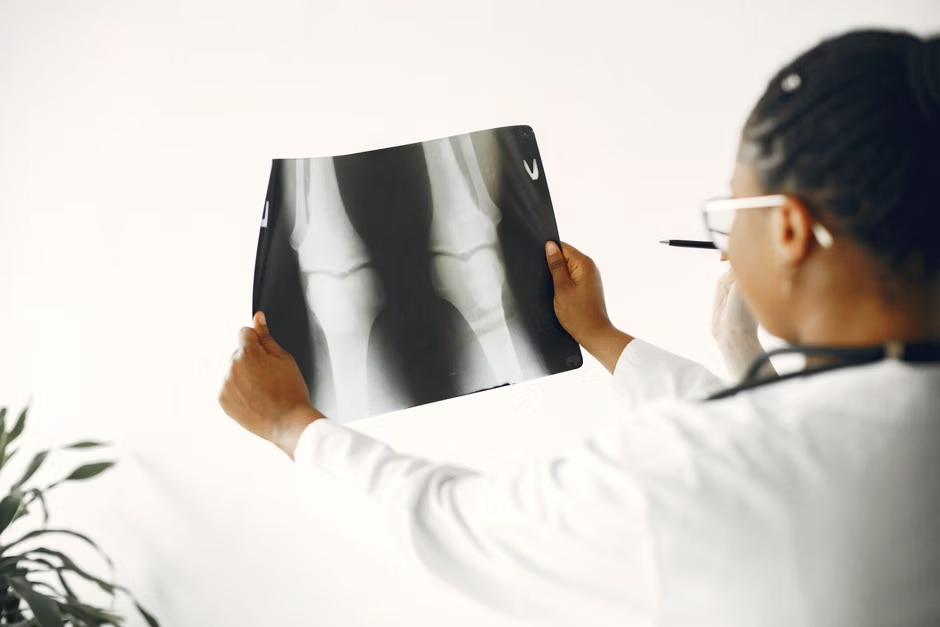
Most people arrive at this decision after months, often years, of trying other options. Our board-certified orthopedic specialists typically consider knee replacement when conservative treatments, including injections, medications, and physical therapy, have stopped providing adequate relief. Common underlying conditions include:
- Osteoarthritis (degenerative joint disease), the most frequent cause
- Rheumatoid arthritis causing chronic joint inflammation and structural damage
- Post-traumatic arthritis following a fracture or ligament injury
- Avascular necrosis, or loss of blood supply to the bone
- Severe knee deformity affecting gait and posture
- Chronic knee pain unresponsive to six or more months of non-surgical care
- Significant loss of range of motion limiting daily function
If you’re unsure whether surgery is appropriate, an evaluation with a fellowship-trained orthopedic surgeon is the right first step. Our team at LLUMC-Murrieta’s surgical services will review imaging, functional limitations, and your overall health before recommending any procedure.
How Does Knee Replacement Surgery Work?
The procedure itself takes roughly one to two hours under general or spinal anesthesia. The surgeon makes an incision down the front of the knee, moves the kneecap aside, and reshapes the joint surfaces with precision instruments. Metal femoral and tibial components are cemented or press-fitted into place, and a plastic spacer is inserted between them to allow smooth gliding. The kneecap surface may also be replaced depending on its condition.
Most patients are up and bearing weight, with assistance, within hours of surgery. This early mobilization isn’t aggressive. It’s intentional. Getting the joint moving quickly reduces swelling, prevents blood clots, and jumpstarts the healing process. A physical therapist visits you in the hospital and begins guiding your first exercises before you’re discharged.
“Knee replacement surgery has consistently high rates of patient satisfaction, with studies reporting that approximately 90 percent of patients experience substantial relief from pain and improved function.”
Total Knee Replacement Recovery Week by Week
Recovery from total knee replacement follows a predictable progression, though everyone moves through it at their own pace. Here’s the framework our care team uses to help patients plan and set realistic expectations.
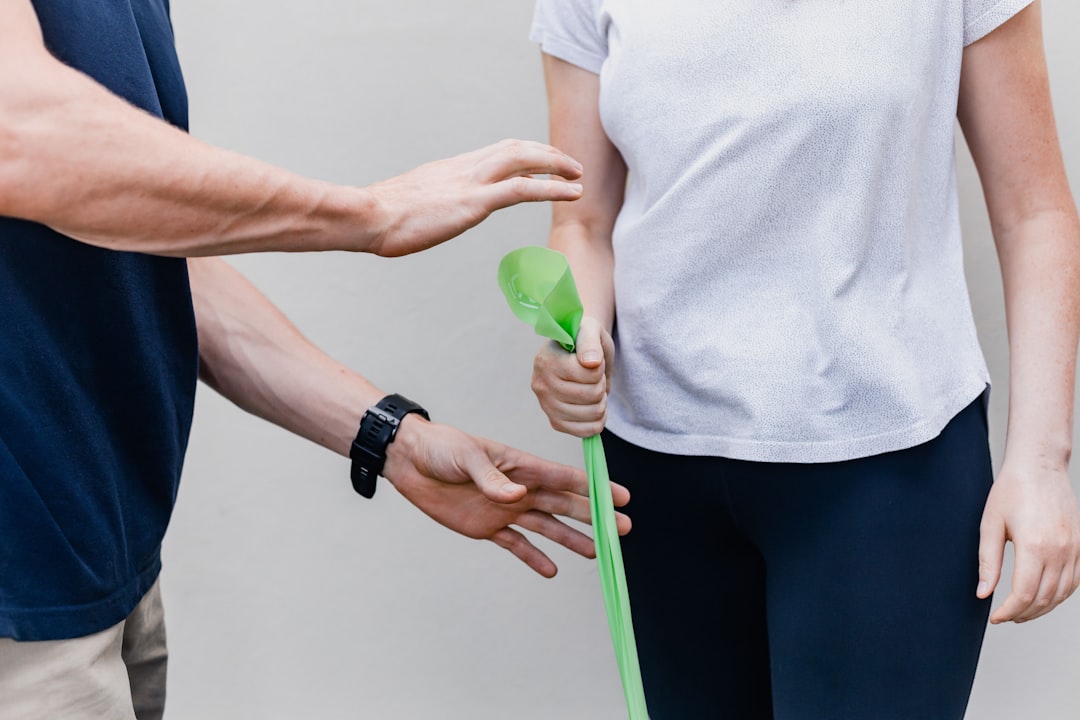
Week 1: You’ll be in the hospital for one to three days. Pain and swelling are at their peak. Physical therapy begins immediately, starting with ankle pumps, quad sets, straight-leg raises, and short assisted walks. Ice, elevation, and compression are your best tools at this stage.
Weeks 2 to 3: Most patients are home, walking with a walker or cane. Range-of-motion exercises intensify. The goal is bending the knee to at least 90 degrees. Swelling persists but begins to ease. Outpatient or in-home physical therapy sessions typically run three times per week.
Weeks 4 to 6: Walking distances increase. Many patients transition off a cane for short distances. Stair climbing with alternating steps becomes a milestone goal. Driving may be possible at week 6 if your right knee was replaced and you’re off narcotic pain medication.
Weeks 6 to 12: Therapy continues to focus on strength, balance, and functional endurance. Most patients return to office work by weeks 6 to 8. Manual labor, prolonged standing, and physically demanding jobs typically require 10 to 12 weeks minimum.
Months 3 to 6: Significant functional improvements continue. You’re likely walking without support, tackling hills, and resuming low-impact activities. Swelling may still fluctuate after active days. That’s normal, not a setback.
Months 6 to 12: Full recovery for most patients. Many report the knee feels most natural between 9 and 12 months, as surrounding muscles fully strengthen and the body adapts to the implant.
How Long Does It Take to Walk Normally After Knee Replacement?
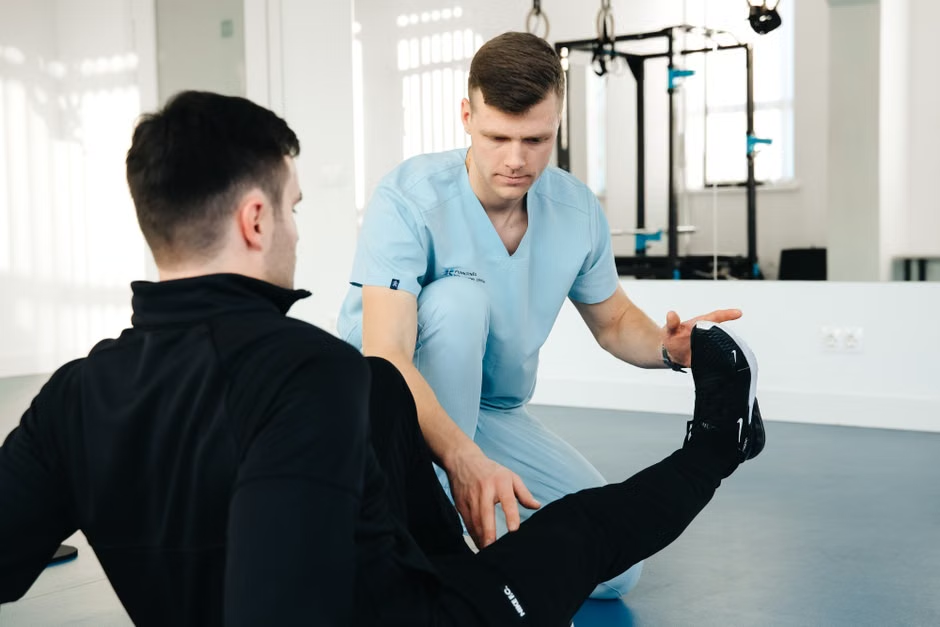
Most patients walk without a limp by weeks 8 to 12, provided they’re consistent with physical therapy and their pain is well controlled. Full, natural gait, the kind where you’re not thinking about each step, typically returns between three and six months.
Gait quality depends heavily on quad strength. The quadriceps muscle is disrupted during surgery and weakens significantly in the days that follow. Rebuilding it is the primary goal of the first eight weeks of physical therapy. Patients who skip or rush through this phase tend to walk with a stiff-knee pattern longer than necessary. Consistency matters more than intensity at this stage.
Top 5 Mistakes After Knee Replacement
In our experience caring for patients through knee replacement recovery, the same patterns of setback appear repeatedly. Awareness alone prevents most of them.
- Skipping or under-attending physical therapy. PT isn’t optional. It’s the mechanism of recovery. Missed sessions compound quickly and delay every downstream milestone.
- Overdoing it too soon. Pain management can mask fatigue signals. Feeling good at week 3 doesn’t mean the tissue is ready for a long walk or a full day on your feet.
- Neglecting range-of-motion exercises. Scar tissue forms rapidly after surgery. If the knee isn’t consistently moved through its range, stiffness can become permanent. Early bending work is non-negotiable.
- Stopping ice and elevation too early. Swelling drives pain, and pain drives guarding, which stiffens the joint. Ice and elevation belong in your routine for at least the first six weeks.
- Returning to weight-bearing activities before clearance. Hiking, golf, or prolonged standing before your surgeon and physical therapist clear you for those activities can stress the implant before surrounding tissue is ready.
What Role Does Physical Therapy Play in Long-Term Outcomes?
Physical therapy is the single most important variable in how well a knee replacement performs long-term. Surgery restores the joint’s mechanical capacity. Physical therapy builds the strength, flexibility, and neuromuscular control to use it effectively. Our 3,600-square-foot rehabilitation therapy suite at LLUMC-Murrieta includes private treatment rooms and a therapeutic pool, giving our patients the range of environments needed for every phase of recovery.
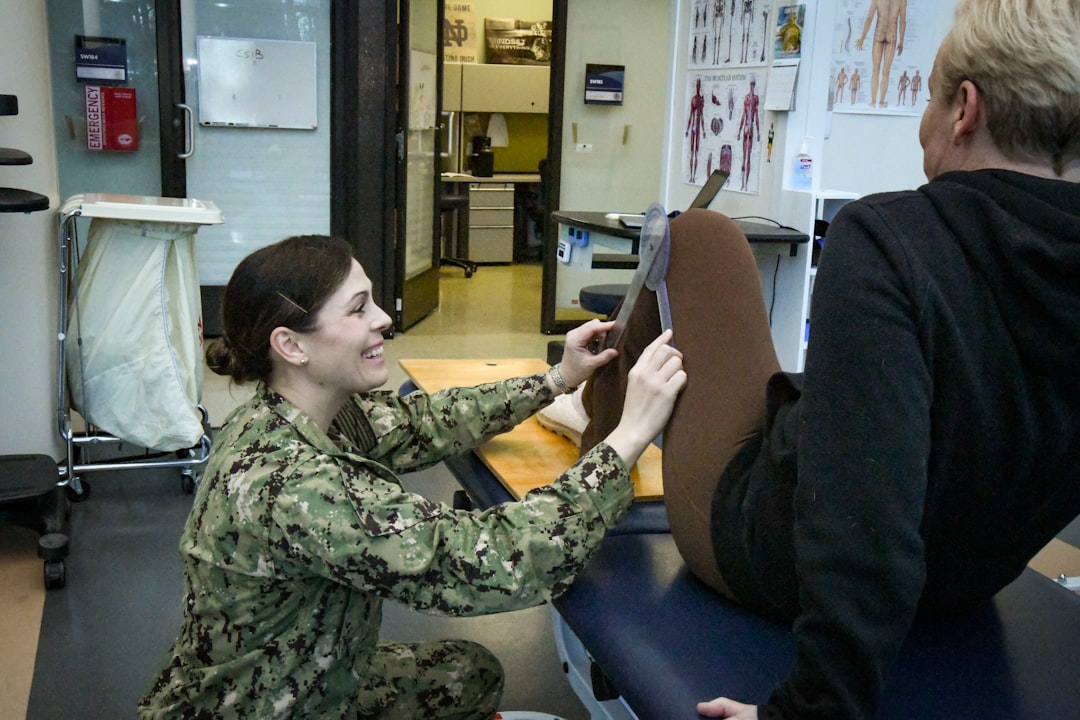
A typical post-TKR physical therapy program includes hands-on manual therapy to reduce stiffness, progressive resistance exercises for the quadriceps and hamstrings, gait training, balance and proprioception work, and functional movement retraining for daily tasks like stairs, curbs, and getting in and out of a car. Proximity matters. Patients who can access near-me physical therapy with minimal travel burden attend more consistently, and consistency is what drives outcomes.
“Physical therapy after knee replacement surgery helps you regain strength and movement. Attending all recommended sessions and performing your home exercise program is essential for the best possible outcome.”
Permanent Restrictions After Knee Replacement
Total knee replacement doesn’t mean returning to every activity you did before, and it’s worth being honest about that upfront. Most surgeons recommend avoiding high-impact activities that put repeated shock force through the implant. Running, jumping, contact sports, heavy squatting, and kneeling on hard surfaces for extended periods are typically on that list.
Low-impact activities, including walking, cycling, swimming, golf, and doubles tennis, are generally well tolerated and encouraged. Weight management is also critical. Every pound of body weight places roughly three to four pounds of force across the knee joint, so maintaining a healthy weight directly extends implant longevity and reduces daily discomfort.
For patients with significant activity goals, newer implant designs and surgical techniques have broadened what’s possible. Some patients return to skiing or high-intensity hiking with their surgeon’s guidance. That conversation should happen before surgery, not after, so expectations are grounded in your specific anatomy and implant selection.
Is Total Knee Replacement Right for Everyone?
Not always, and a trustworthy orthopedic team will tell you that. Younger, more active patients, typically under 60, are sometimes steered toward joint-preserving alternatives first, since implants have a finite lifespan and a second replacement is more complex. Alternatives worth discussing include high tibial osteotomy (bone realignment surgery), partial knee replacement (unicompartmental), and hyaluronic acid injections for earlier-stage arthritis. These aren’t lesser options. For the right patient, they’re the smarter choice.
Patients with uncontrolled diabetes, active infection, poor bone quality, or significant cardiovascular disease may need medical optimization before surgery is safe. Our surgical and orthopedic teams at Loma Linda University Medical Center – Murrieta approach each case individually, weighing surgical risk against long-term benefit with care for the whole person, not just the joint.
Six Practical Steps That Make Recovery Easier
- Start “prehab” physical therapy four to six weeks before surgery to strengthen surrounding muscles and improve post-operative outcomes
- Prepare your home before returning: raised toilet seat, shower chair, grab bars, cleared pathways, and a recovery station on the main floor
- Take pain medication on schedule in the first week, not just when pain peaks, to stay ahead of discomfort and keep PT participation possible
- Do your home exercise program every single day, even when it’s uncomfortable; ten minutes of quad sets and heel slides matters more than you think
- Ice for 20 minutes after every therapy session and any sustained activity for the first six weeks
- Ask your care team about aquatic therapy if land-based exercises are difficult; the buoyancy of water reduces load on the joint while allowing full range-of-motion work
If you experience signs of a serious complication, including fever above 101°F, sudden calf swelling or redness, excessive wound drainage, or new severe pain, our emergency services team is available 24 hours a day. Most complications are preventable with attentive follow-up, but early evaluation makes all the difference when concerns arise.
Total knee replacement, done well and followed by dedicated rehabilitation, gives most patients their life back. Not a lesser version of it. The path isn’t short, and it takes real effort on your part. But for the right patient with the right care team, the result is walking through the park again, sleeping through the night, and doing the things that matter most without counting the cost. Helping you and your loved ones get there is one of our highest priorities at LLUMC-Murrieta. Reach out to our orthopedic team to begin the conversation.