

High blood pressure, or hypertension, often goes unnoticed, quietly increasing your risk for serious health problems. Many people don’t realize they have it until it’s too late. It’s a condition that affects millions, placing a silent strain on your cardiovascular system every day. Uncontrolled, it can lead to devastating consequences, from heart attack to stroke.
We believe in empowering our community with knowledge to protect their heart health. Understanding your blood pressure numbers, recognizing the risks, and knowing how to take action are crucial steps. At Loma Linda University Medical Center – Murrieta, we’re dedicated to helping you live a healthier, fuller life through comprehensive heart care and education.
Our faith-driven approach means we care for the entire person: body, mind, and spirit. We offer advanced services and support to manage conditions like high blood pressure, ensuring you have the resources needed for long-term wellness here in the Murrieta-Temecula region.
What is Blood Pressure and Why Does It Matter?
Blood pressure measures the force of your blood pushing against the walls of your arteries as your heart pumps. It’s reported with two numbers: systolic (the pressure when your heart beats) over diastolic (the pressure when your heart rests between beats). Optimal blood pressure is less than 120/80 mmHg. When these numbers consistently rise, your heart and blood vessels work harder, leading to a host of health issues.
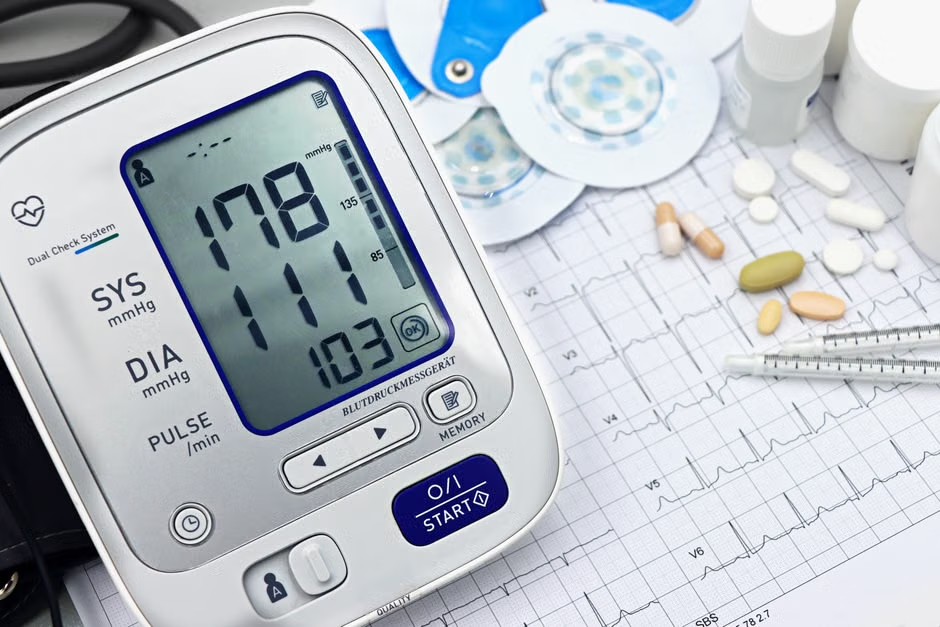
Think of your circulatory system as a complex network of pipes. When the pressure inside these pipes is too high, it stresses the walls, causing wear and tear over time. This strain can damage delicate tissues throughout your body. Regularly checking your blood pressure, perhaps with a home blood pressure monitor, gives you a vital snapshot of your cardiovascular health. A normal blood pressure reading indicates that your heart is working efficiently, without undue burden on your arteries.
According to the Mayo Clinic, hypertension is diagnosed when readings consistently show 130/80 mmHg or higher. We use this blood pressure chart to guide our assessments and recommend treatments. Early detection is key to managing this condition effectively and preventing its progression.

What is the silent killer blood pressure?
High blood pressure is often called “the silent killer” because it typically has no warning signs or symptoms until it reaches dangerously high levels, or causes significant damage to vital organs. You might feel fine, but internally, the elevated pressure is quietly harming your arteries, heart, brain, kidneys, and eyes. This lack of noticeable symptoms makes regular monitoring essential.
The insidious nature of hypertension means that by the time symptoms appear, the damage could be substantial. This is why routine check-ups and self-monitoring are so important, even if you feel perfectly healthy. In our practice, we’ve seen countless cases where individuals were unaware of their condition until a routine screening. That’s why we emphasize preventive care and patient education.
Undetected high blood pressure can lead to severe health complications over time. These include:
- Heart attack or stroke
- Aneurysm
- Heart failure (also known as congestive heart failure)
- Kidney disease or failure
- Vision loss
- Metabolic syndrome
As board-certified specialists, we continuously reinforce the importance of understanding your risk factors and taking proactive steps. Early intervention can significantly alter the course of this disease, protecting your long-term health and vitality.
“High blood pressure is a major risk factor for heart disease and stroke, the leading causes of death in the United States. Many people do not know they have high blood pressure because it often has no symptoms.”
Can you reverse high blood pressure with lifestyle changes?
For many, significant lifestyle adjustments can indeed lower blood pressure, sometimes even enough to avoid or reduce medication. These changes focus on promoting overall heart health and well-being. While not always a complete “reversal,” these habits can dramatically improve your readings and significantly reduce your risk for related health problems. Consistency is paramount for sustained results.
We advocate for a holistic approach, focusing on the body, mind, and spirit. Incorporating specific lifestyle changes into your daily routine is a powerful way to manage and often improve your blood pressure. Our multidisciplinary clinical teams, often composed of staff holding Masters and Doctorates, consistently advise patients on these strategies.
Here are practical steps you can take:
- Maintain a Healthy Weight: Even a small amount of weight loss can make a big difference. Losing just a few pounds can significantly impact your blood pressure numbers.
- Eat a Balanced Diet: Emphasize fruits, vegetables, whole grains, lean proteins, and low-fat dairy. The DASH (Dietary Approaches to Stop Hypertension) eating plan is specifically designed to lower blood pressure.
- Reduce Sodium Intake: Limiting processed foods and not adding extra salt to your meals helps reduce fluid retention and arterial pressure.
- Exercise Regularly: Aim for at least 150 minutes of moderate-intensity aerobic activity or 75 minutes of vigorous-intensity activity per week. Even short bursts of activity add up.
- Limit Alcohol Consumption: Drinking too much alcohol can raise blood pressure. For healthy adults, that means up to one drink a day for women and up to two drinks a day for men.
- Manage Stress: Chronic stress contributes to high blood pressure. Practice relaxation techniques like meditation, deep breathing, or yoga.
- Get Enough Sleep: Consistent, quality sleep is vital for overall health and can help regulate blood pressure. Adults typically need 7-9 hours per night.
What are the 5 worst foods for high blood pressure?
While no single food is “bad” in isolation, certain dietary choices consistently contribute to elevated blood pressure when consumed regularly and in large quantities. These foods often contain high levels of sodium, saturated fats, trans fats, or added sugars, all of which negatively impact cardiovascular health. Reducing your intake of these items is a significant step toward better heart health.
For a patient-focused approach, we guide individuals to make informed choices about their diet. This isn’t about rigid restrictions but about understanding impact. Our registered dietitians and medical experts often highlight these common culprits:
- Processed Meats and Deli Slices: Items like bacon, sausage, and deli meats are packed with sodium and often saturated fats, contributing to fluid retention and arterial stiffness.
- Canned Soups and Processed Frozen Meals: These convenience foods are notorious for their high sodium content, which can quickly push your daily intake beyond healthy limits.
- Sugary Drinks and Sweets: Sodas, fruit juices with added sugar, and desserts contribute to weight gain and inflammation, both of which can lead to higher blood pressure.
- Fried Foods: Foods deep-fried in unhealthy oils often contain high levels of trans fats and saturated fats, which can raise bad cholesterol and contribute to arterial damage.
- Fast Food: Burgers, fries, and other fast-food items are typically high in sodium, unhealthy fats, and calories, all detrimental to blood pressure control.
Making conscious choices to limit these foods can have a profound impact on your readings. It’s about nourishing your body with what it needs to thrive, not just survive.
Best medicine for high blood pressure?
There isn’t a single “best” medicine for high blood pressure; rather, the most effective treatment is highly individualized. Doctors consider various factors like your overall health, other medical conditions, age, and potential side effects. The goal is to find a medication or combination that safely and effectively brings your blood pressure into a healthy range, minimizing risks and improving quality of life.
Our board-certified cardiologists and primary care physicians work closely with each patient to develop a customized treatment plan. In many cases, medication is a critical component, especially when lifestyle changes alone aren’t sufficient. We have access to state-of-the-art diagnostic tools, including our three digital cath labs, which assist in comprehensive heart assessments.
Common classes of medications used to treat hypertension include:
- Diuretics: Often a first-line treatment, these help your body eliminate sodium and water, reducing blood volume.
- ACE Inhibitors and ARBs (Angiotensin Receptor Blockers): These medications relax blood vessels by blocking the formation or effects of a natural chemical that narrows blood vessels.
- Beta-Blockers: These slow your heart rate and open your blood vessels, reducing the heart’s workload.
- Calcium Channel Blockers: These relax the muscles in your blood vessel walls, widening them and lowering blood pressure.
- Alpha-Blockers: These reduce nerve impulses that tighten blood vessels, allowing blood to flow more easily.
Finding the right maintenance medicine for high blood pressure often involves a period of adjustment and careful monitoring. We are dedicated to ensuring your needs are our goals, providing ongoing support and adjustments as necessary. If you’re experiencing a sudden, severe increase in blood pressure, it’s a medical emergency. You should seek emergency services immediately.
What to Expect with High Blood Pressure Management
Managing high blood pressure is a journey, not a sprint. Once you begin treatment, whether through lifestyle changes or medication, you can expect to see gradual improvements in your blood pressure readings. It’s important to understand that controlling hypertension is usually a lifelong commitment, requiring consistent monitoring and adherence to your personalized plan. You won’t see results overnight, but persistence pays off.
In our experience, patients who are actively involved in their care and consistently follow medical advice see the most favorable outcomes. We encourage regular home monitoring with a reliable blood pressure monitor, and maintaining a blood pressure chart helps both you and your care team track progress. The realistic timeline for seeing significant drops in blood pressure can range from a few weeks to several months, depending on the severity of the hypertension and the effectiveness of the interventions.
Your healthcare team will likely schedule follow-up appointments to check your progress and adjust medications or lifestyle recommendations as needed. This ongoing dialogue ensures your treatment remains effective and addresses any new concerns. We are committed to supporting you every step of the way, helping you maintain optimal heart health and a higher quality of life.
“Consistent monitoring, medication adherence, and a heart-healthy lifestyle are essential for long-term blood pressure control. Patients should work closely with their healthcare provider to tailor a plan that fits their unique needs and health profile.”
Practical Tips for Living with High Blood Pressure
Living with high blood pressure means making daily choices that support your heart and overall health. It’s about forming habits that become second nature, integrating seamlessly into your routine. These practical tips are designed to empower you to take an active role in managing your condition and fostering a healthier future.
- Monitor at Home: Invest in a good home blood pressure monitor and use it regularly. Keep a log of your readings to share with your doctor. Consistency helps identify patterns.
- Stay Hydrated with Water: Instead of sugary drinks, focus on drinking plenty of water. It helps maintain proper fluid balance and overall cardiovascular function.
- Prioritize Sleep: Aim for 7-9 hours of quality sleep each night. Lack of sleep can negatively impact blood pressure regulation and increase stress hormones.
- Read Food Labels: Become a detective for hidden sodium, unhealthy fats, and added sugars in packaged foods. Choose fresh, whole ingredients whenever possible.
- Know Your Medications: Understand what your medications are for, how to take them, and potential side effects. Don’t stop or change medication without consulting your doctor.
- Build a Support System: Share your health goals with family and friends. Their encouragement and understanding can be invaluable as you make lifestyle changes.
Remember, managing high blood pressure is a collaborative effort between you and your healthcare team. We are here to provide the expertise, advanced care, and spiritual support needed for you to thrive.
Taking control of your blood pressure is one of the most impactful steps you can take for your long-term health. It’s about safeguarding your heart, preserving your vitality, and living each day with strength and peace of mind. At Loma Linda University Medical Center – Murrieta, we’re here to walk alongside you on this journey, offering compassionate, faith-driven care and leading-edge medical expertise. We are dedicated to providing the resources and support you need to manage your blood pressure effectively, promoting wellness for your body, mind, and spirit.