
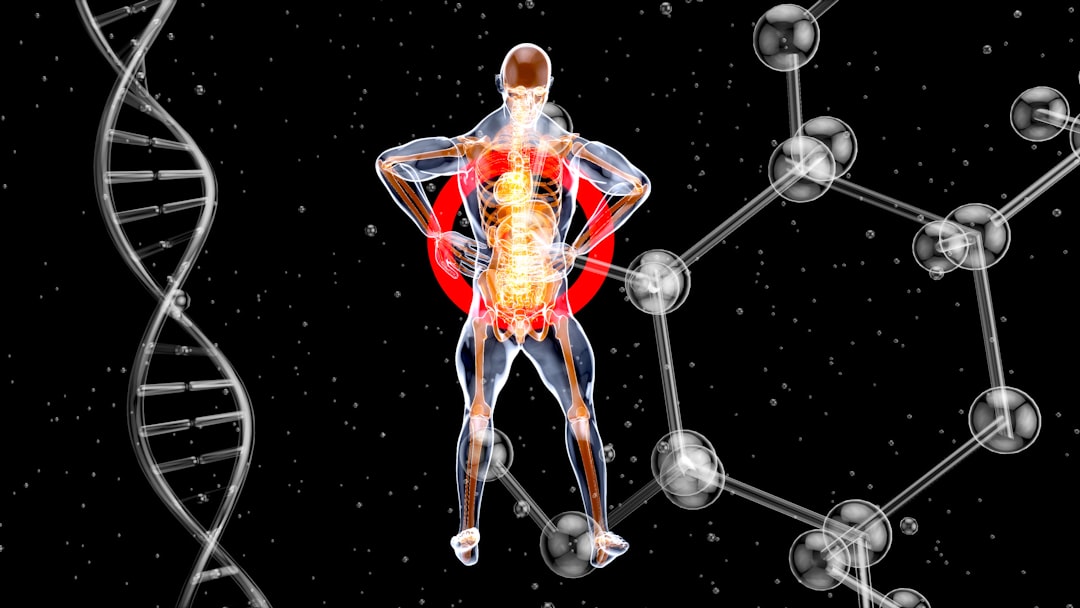
Living with knee ache, stiffness, or persistent discomfort can significantly impact your daily life. Simple activities, from walking to bending, become challenging when your knees don’t function as they should. Many people, especially as they age, face the reality of knee arthritis, a condition that brings pain and limits mobility.
Understanding the root cause of your knee pain, whether it’s osteoarthritis, rheumatoid arthritis, or another form of joint inflammation, is the first step toward relief. While the idea of surgery might loom, many effective conservative treatments can help manage symptoms, reduce pain, and improve your quality of life.
At Loma Linda University Medical Center – Murrieta, we are dedicated to helping our community navigate these challenges with a patient-focused approach. Our goal is always to explore less invasive options first, providing expert guidance through comprehensive orthopedic care that supports the body, mind, and spirit.
What Is Knee Arthritis and How Does It Develop?
Knee arthritis refers to the inflammation of one or both knee joints, leading to pain, stiffness, and swelling. It develops when the protective cartilage that cushions the ends of your bones wears down over time or is attacked by the body’s immune system, causing bones to rub against each other.
The two most common forms we see are osteoarthritis and rheumatoid arthritis. Osteoarthritis, often called “wear-and-tear” arthritis, typically affects older adults and results from the gradual breakdown of joint cartilage. Rheumatoid arthritis, however, is an autoimmune disease where the body’s immune system mistakenly attacks its own tissues, including the lining of the joints, causing inflammation and pain. Both can lead to significant knee pain and limited function, but their underlying mechanisms differ. Understanding these differences is crucial for effective treatment planning.
“Rheumatoid arthritis is a chronic inflammatory disorder that can affect more than just your joints. In some people, the condition can damage a wide variety of body systems, including the skin, eyes, lungs, heart and blood vessels.”
What Are the Early Signs of Knee Arthritis?
Early knee arthritis often presents as mild knee ache or stiffness, particularly after periods of rest or in the morning. You might notice a subtle grating sensation when moving your knee, or experience pain that flares up after physical activity, then subsides.
Catching these symptoms early is vital. While the onset can be insidious, recognizing initial signs allows for timely intervention, potentially slowing progression and improving long-term joint health. If you notice persistent discomfort, particularly if it impacts your daily routine, it’s wise to consult a healthcare provider. Our board-certified specialists have extensive experience diagnosing and treating various forms of arthritis, focusing on individualized treatment plans.
Common Gout Arthritis Symptoms and Other Types
While osteoarthritis and rheumatoid arthritis are prevalent, other forms can also affect the knee. Gout arthritis, for example, is characterized by sudden, severe attacks of pain, swelling, redness, and tenderness in one or more joints, often the big toe, but it can affect the knee. These attacks are due to a buildup of uric acid crystals in the joint. Psoriatic arthritis, another type, can cause joint pain and stiffness, along with skin changes.
What to look for:
- **Persistent Pain:** Aching, throbbing, or sharp pain in the knee, especially with movement.
- **Stiffness:** Difficulty bending or straightening the knee, often worse in the morning or after inactivity.
- **Swelling:** Fluid buildup around the joint, making it appear larger or puffy.
- **Tenderness:** Pain when touching the knee joint.
- **Reduced Mobility:** Inability to fully extend or flex the knee.
- **Grating Sensation (Crepitus):** A grinding, cracking, or popping sound or feeling during movement.
- **Warmth:** The skin over the affected joint may feel warm to the touch.
Is Knee Arthritis Curable?
Unfortunately, knee arthritis, particularly osteoarthritis and rheumatoid arthritis, is not curable in the traditional sense. However, treatment focuses on managing symptoms, slowing progression, and improving function and quality of life.
Our multidisciplinary clinical teams work to help patients live full, active lives despite their diagnosis. We emphasize strategies that empower you to take an active role in your care, focusing on holistic well-being. While we can’t reverse the damage, we can significantly alleviate your suffering and maintain your mobility.
Knee Arthritis Treatment Without Surgery: What Is the Most Effective Approach?
The most effective treatment for knee arthritis without surgery involves a personalized, multi-faceted approach combining various therapies. This typically includes physical therapy, medication, lifestyle modifications, and sometimes injections.
At Loma Linda University Medical Center – Murrieta, our experts believe in exhausting all conservative avenues before recommending more invasive procedures like surgery. We’ve seen thousands of cardiology and heart patients, but also numerous individuals find significant relief through non-surgical interventions for their orthopedic conditions. Many of our patients experience improved mobility and reduced pain through these methods.
Conservative Treatment Options
Many options exist to manage knee arthritis without surgical intervention. These aim to reduce pain, improve joint function, and enhance your overall quality of life:
- **Physical Therapy:** Tailored exercises strengthen the muscles around the knee, improving stability and flexibility. Our rehabilitation services feature a 3,600 sq ft therapy suite designed to support your recovery journey.
- **Medication:** Over-the-counter pain relievers (like NSAIDs), prescription medications, or disease-modifying antirheumatic drugs (DMARDs) for rheumatoid arthritis, can help manage pain and inflammation.
- **Injections:** Corticosteroid injections can temporarily reduce inflammation and pain. Viscosupplementation, which involves injecting hyaluronic acid into the joint, may improve lubrication and reduce pain for some.
- **Weight Management:** Reducing excess weight significantly lessens the load on your knees, slowing cartilage breakdown.
- **Assistive Devices:** Using a cane, walker, or knee braces for knee support can reduce stress on the joint and improve walking stability.
- **Heat and Cold Therapy:** Applying heat can relax stiff muscles, while cold can reduce swelling and numb pain.
- **Lifestyle Adjustments:** Modifying activities to avoid high-impact movements that aggravate the knee can be crucial. This doesn’t mean stopping activity; it means smart activity.

What Not to Do with Knee Osteoarthritis?
When living with knee osteoarthritis, it’s important to avoid certain actions that can exacerbate pain or accelerate joint damage. High-impact activities that put excessive stress on the knee, such as running on hard surfaces or jumping, should generally be limited or modified.
Additionally, prolonged inactivity can worsen stiffness and muscle weakness, so a balanced approach to movement is key. We often advise against pushing through sharp pain or ignoring persistent discomfort. Our faith-based approach emphasizes listening to your body and seeking guidance when needed. As stated by the National Institute of Arthritis and Musculoskeletal and Skin Diseases (NIAMS), balancing rest and activity is critical for managing arthritis pain and maintaining joint health. Maintaining a healthy lifestyle, including regular exercise and a balanced diet, can significantly contribute to managing arthritis symptoms.
How Far Should I Walk With Knee Arthritis?
The ideal distance you should walk with knee arthritis varies greatly depending on your individual condition, pain levels, and the severity of your arthritis. The key is to listen to your body and find a balance between activity and rest.
Many board-certified specialists recommend regular, low-impact exercise for people with knee arthritis. This includes walking, swimming, or cycling, which can strengthen muscles, improve joint flexibility, and aid in weight management without undue stress on the knee. Start with short distances and gradually increase as tolerated. If you experience increased pain during or after walking, scale back and consult with your physical therapist or doctor to adjust your activity plan. Remember, motion is lotion for your joints, but overdoing it can cause setbacks.
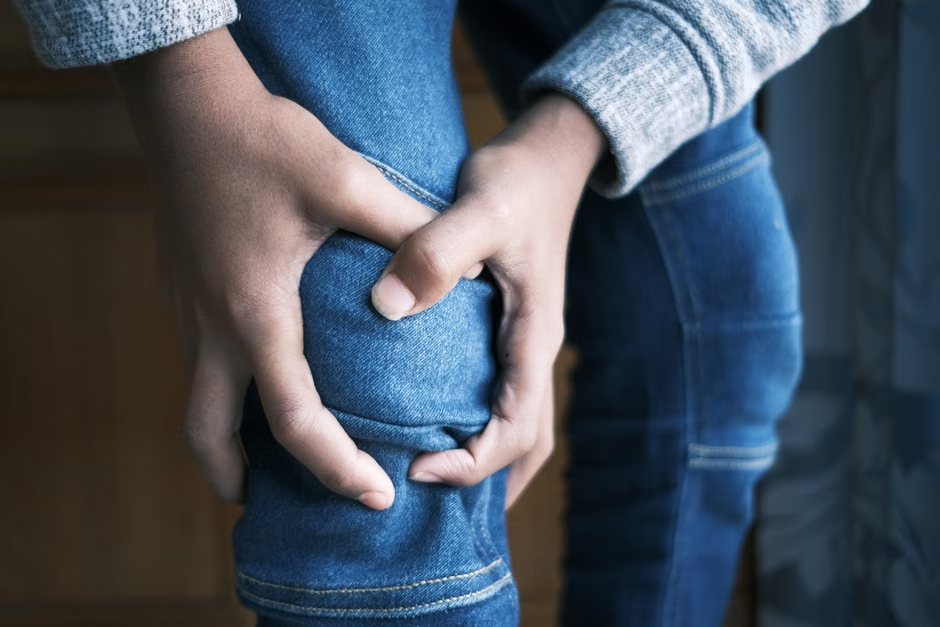
What to Expect from Conservative Treatment for Knee Arthritis
Realistic expectations are important when pursuing conservative treatments for knee arthritis. You likely won’t achieve a “cure,” but you can anticipate significant pain reduction, improved joint function, and greater ease in daily activities.
Our goal is to help you regain control over your life. Many patients experience noticeable improvements within weeks to a few months of consistent therapy and medication management. Some may find they can delay or even avoid surgery for many years through dedicated conservative care. It’s a journey, and our commitment is to walk alongside you, supporting your physical, mental, and spiritual well-being every step of the way. We focus on patient-centered, holistic care to ensure your needs are our goals.
“Exercise is a crucial component of managing knee osteoarthritis, as it can reduce pain, improve function, and slow disease progression. Low-impact activities like walking, cycling, and water exercises are generally recommended.”
Practical Tips for Managing Knee Arthritis Daily
Integrating simple, consistent habits into your daily routine can make a big difference in managing knee arthritis symptoms. Here are a few practical tips our experts often recommend:
- **Stay Active (Smartly):** Engage in low-impact exercises like walking, swimming, or cycling for at least 30 minutes most days of the week. Break it into shorter sessions if needed.
- **Maintain a Healthy Weight:** Even a small amount of weight loss can significantly reduce the load on your knees and lessen pain.
- **Wear Supportive Footwear:** Choose shoes that provide good cushioning and support to help absorb shock and distribute pressure evenly.
- **Use Assistive Devices When Needed:** Don’t hesitate to use a cane or walker for stability, especially on uneven terrain. Braces for knee support can also be beneficial during activity.
- **Prioritize Rest:** While activity is good, adequate rest for your joints is equally important. Elevate your legs when resting to help reduce swelling.
- **Learn Pain Management Techniques:** Explore relaxation techniques, mindfulness, or heat/cold therapy to manage acute pain flares.
Managing knee arthritis is a collaborative effort between you and your healthcare team. Our faith-driven care supports you with advanced, state-of-the-art technology and the compassion of dedicated professionals right here in the Murrieta-Temecula region. To learn more about how we can help you with knee pain and mobility, we invite you to explore our home page or speak with one of our orthopedic specialists.